Local
Tarik Skubal, Mets agree to record $450 million, 9-year deal
A Roundtable is a way to meet new people and discuss this article in person at a local coffee shop or other venue.
Roundtables are designed for groups of four, with a shared subject and room for everyone to speak. Come for discussion, with no dating expectation.
Source: Chicago Sun-Times
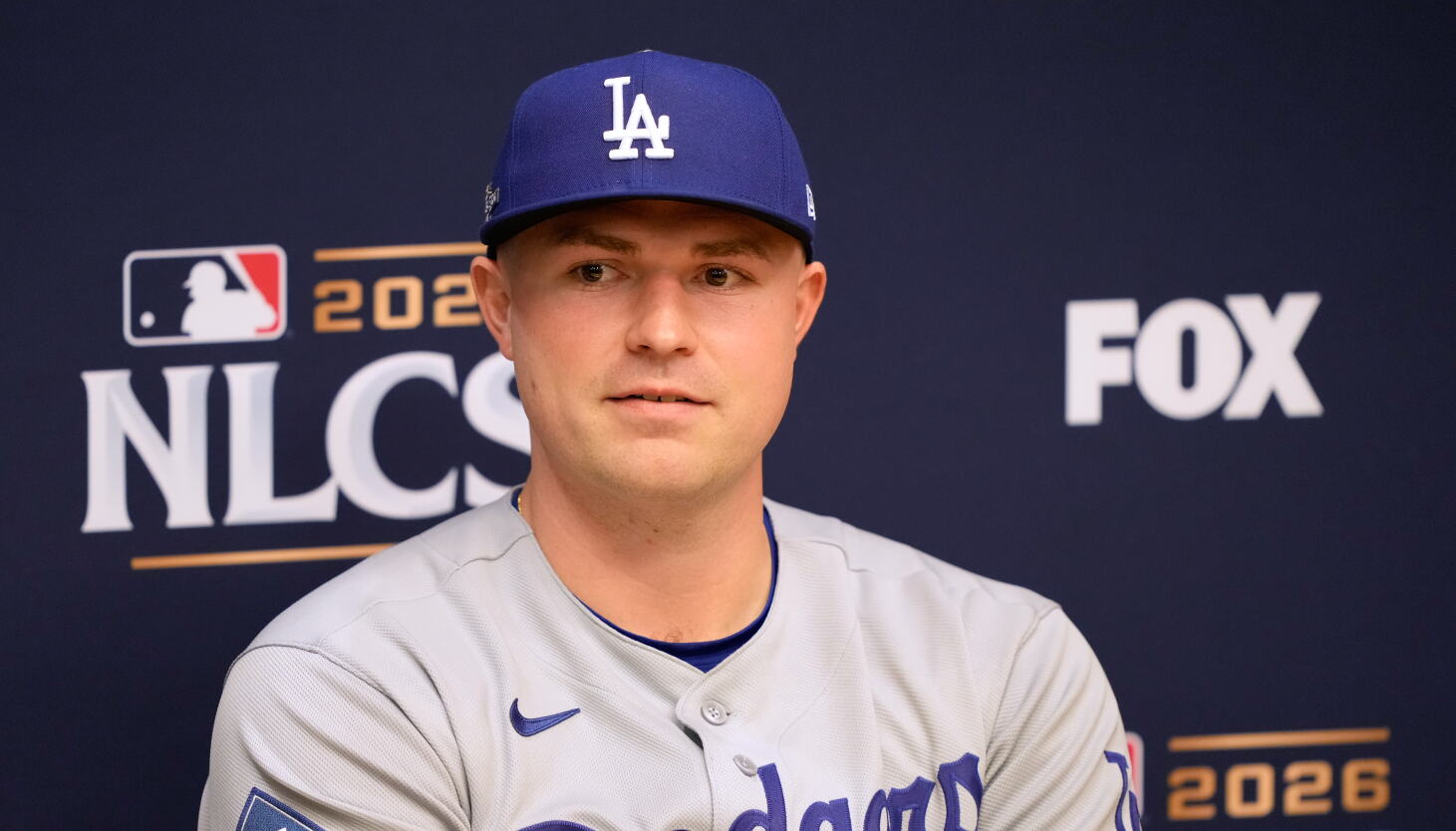
Tarik Skubal, the two-time Cy Young Award winner who was the top free agent on this offseason's market, has agreed to a record $450 million, nine-year contract with the New York Mets, a person familiar with the negotiations told The Associated Press on Sunday. The person spoke on condition of anonymity because the agreement was subject to a successful physical. Skubal's deal, averaging $50 million annually, is the largest for a pitcher, topping Yoshinobu Yamamoto's $325 million, 12-year contract with the Los Angeles Dodgers that started in 2024. The previous high for a pitcher's average salary was $37 million for Jacob deGrom in a $185 million, five-year contract with Texas that began in 2023. It's the fourth largest deal among all baseball players, trailing Juan Soto's $765 million, Shohei Ohtani's $700 million and Vladimir Guerrero Jr.'s $500 million.
This excerpt comes from the named source. Read the original for the full reporting.
Read the original at Chicago Sun-Times


