Local
Tasa Coffee Roasters sign says shop 'permanently closed'
A Roundtable is a way to meet new people and discuss this article in person at a local coffee shop or other venue.
Roundtables are designed for groups of four, with a shared subject and room for everyone to speak. Come for discussion, with no dating expectation.
Source: Chicago Sun-Times
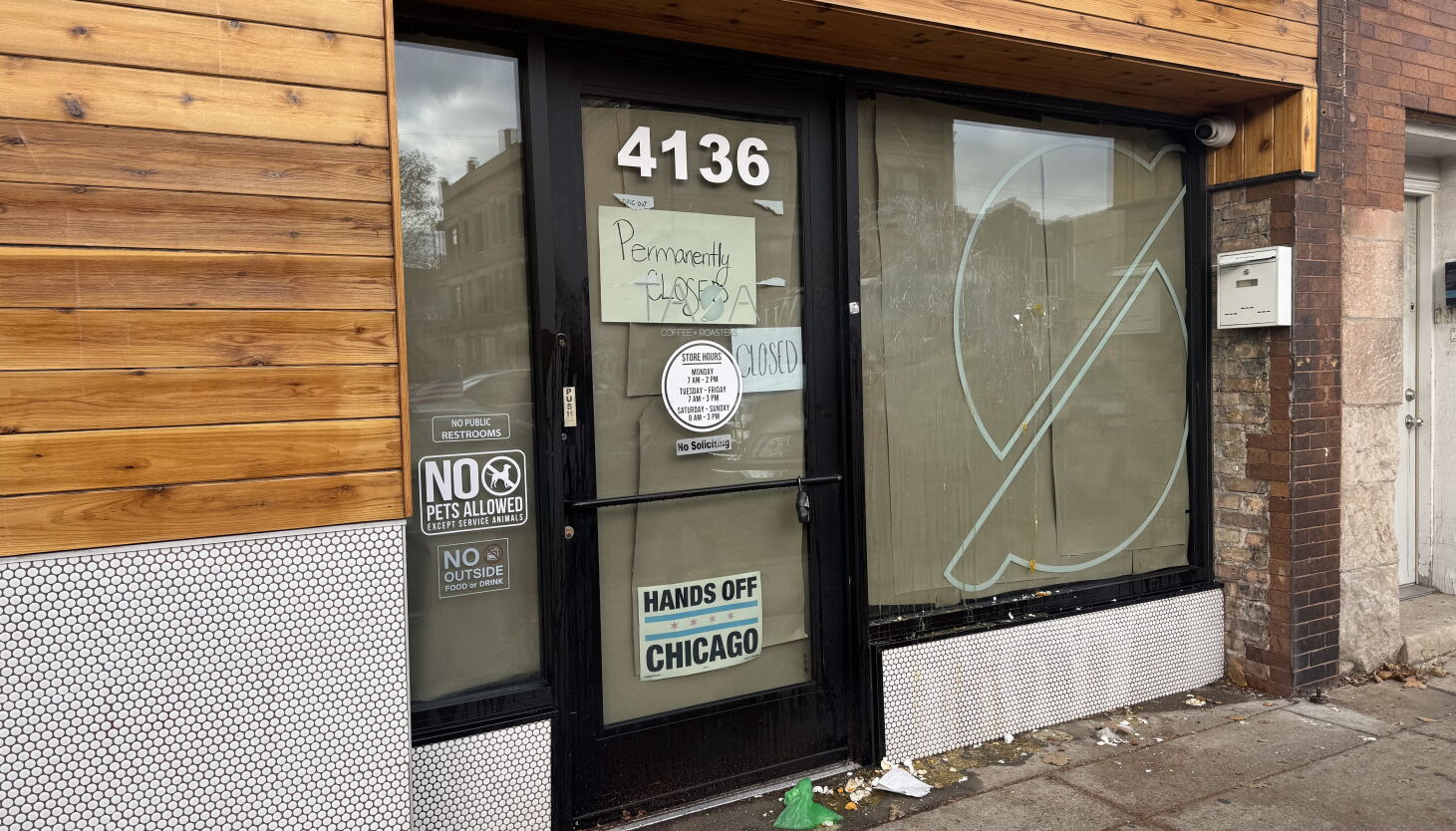
A popular Latina-run West Humboldt Park coffee roaster has posted a “permanently closed” sign on its door after workers walked off the job over a viral social media post alleging the shop has ties to ICE. Tasa Coffee Roasters, 4136 W. North Ave. in West Humboldt, is owned solely by Jackie Marquez, according to public records in the Nexis database. Tasa closed Monday when baristas walked off the job and neighbors threatened to boycott over social media posts alleging a man with the same name as the owner’s husband, Pierre Marquez, appears in a database of U.S. Department of Homeland Security employees leaked at the end of October. The leaked documents list this individual as having been a supervisory detention and deportation officer at U.S. Immigration and Customs Enforcement. WBEZ/Sun-Times has not been able to independently confirm the man named in the leak is in fact connected to Tasa.
This excerpt comes from the named source. Read the original for the full reporting.
Read the original at Chicago Sun-Times