Local
Tearing Down Trust: The Battle Over Fulton and Elliott-Chelsea Houses
A Roundtable is a way to meet new people and discuss this article in person at a local coffee shop or other venue.
Roundtables are designed for groups of four, with a shared subject and room for everyone to speak. Come for discussion, with no dating expectation.
Source: Chelsea Community News
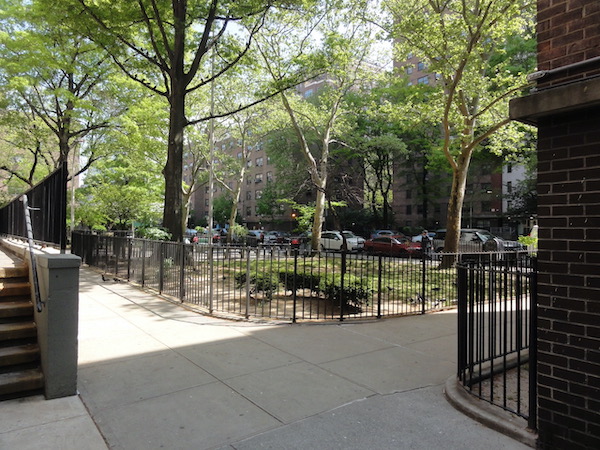
TEXT & PHOTOS BY THOMAS G. LUNKE | Debate has swirled for years around the proposed demolition and redevelopment plan for the Fulton and Elliott-Chelsea (FEC) communities, leaving many New Yorkers wondering what the project means for the neighborhood and the city. Behind the political talking points lies a massive transformation that touches everything from resident rights to the local environment and the future of public land. Here is a breakdown of what the plan entails, the concerns it raises, and the alternative solutions being proposed. Threatening Housing Security and Resident Rights | The plan entails a shift from traditional public housing management under Section 9 to a private-public model using RAD/PACT Section 8 vouchers affecting approximately 5,000 existing residents: —The Disappearing “Right of Return”: Because the project calls for completely tearing down 18 existing buildings, residents would not be “returning” to anything they recognize.
This excerpt comes from the named source. Read the original for the full reporting.
Read the original at Chelsea Community News