Local
Ten insights on cities, urban growth, and vibrancy
Meet in Common connects news with real conversations. Use ThinkMatch to arrange a Roundtable and meet people to discuss this story.
Roundtables are designed for groups of four, with a shared subject and room for everyone to speak. Come for discussion, with no dating expectation.
Source: D.C. Policy Center
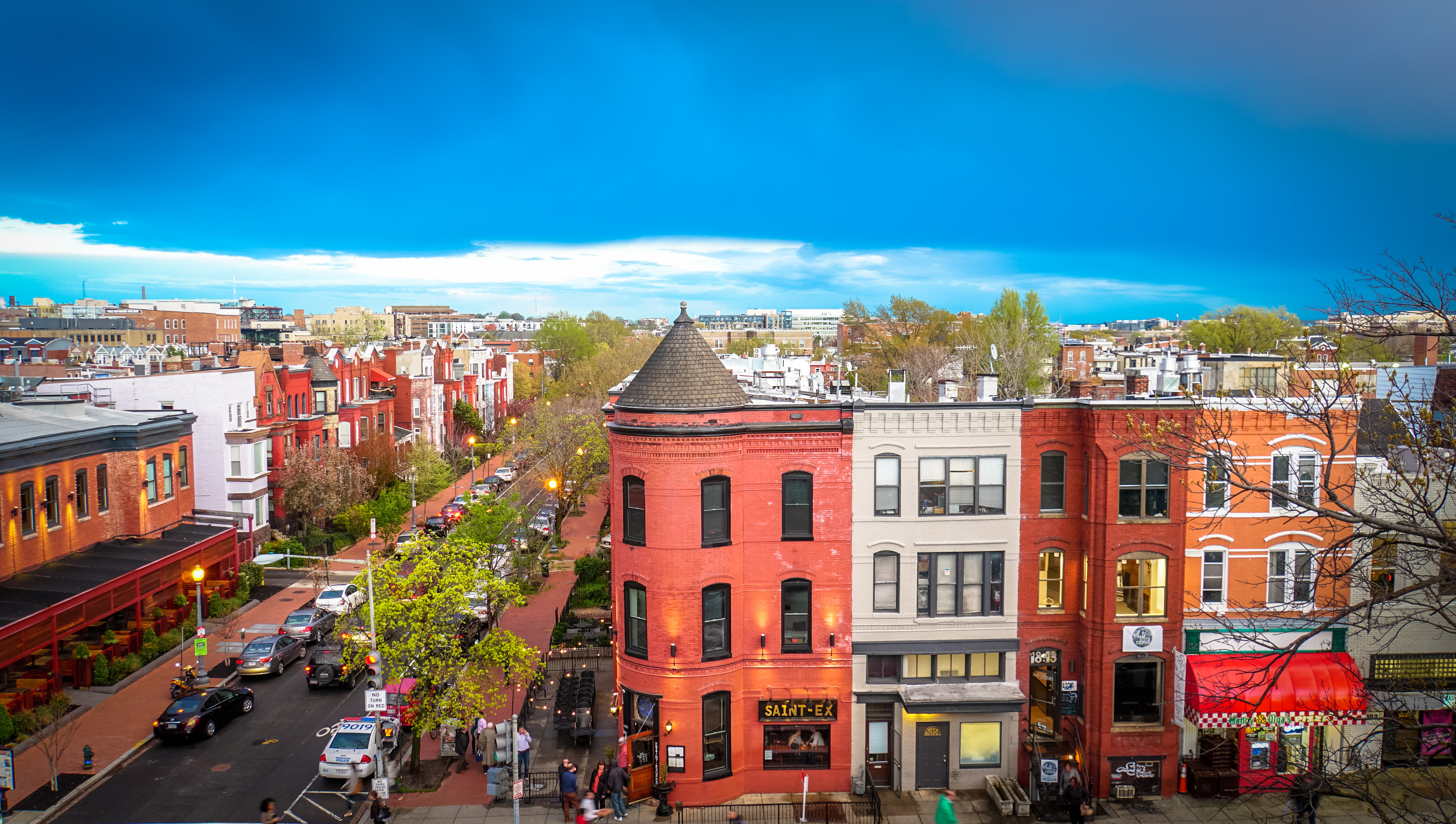
As the District of Columbia navigates one of its most challenging economic periods since the 1990s, the policies implemented today on housing, education, and workforce development will shape the city’s trajectory for years to come. To help policymakers understand what drives urban success, the D.C. Policy Center’s Alice M. Rivlin Initiative has selected ten insights from existing research on cities, urban growth, and vibrancy. Each insight is accompanied by a District-related fact. Insight #1: Cities thrive when people and firms cluster. Cities work best when people and firms are near one another. Clustering reduces transport costs and creates opportunities for the sharing of ideas and specialization. Firms benefit from a pool of specialized workers, while workers enjoy better employment prospects and higher productivity. Silicon Valley’s success is a standard example.
This excerpt comes from the named source. Read the original for the full reporting.
Read the original at D.C. Policy Center