Local
Texas Couple Finds Racial Slur Written on Restaurant Check, But Company’s Attempt to Make It Right Has Them Ready to Drag Everyone Into Court
A Roundtable is a way to meet new people and discuss this article in person at a local coffee shop or other venue.
Roundtables are designed for groups of four, with a shared subject and room for everyone to speak. Come for discussion, with no dating expectation.
Source: Atlanta Black Star
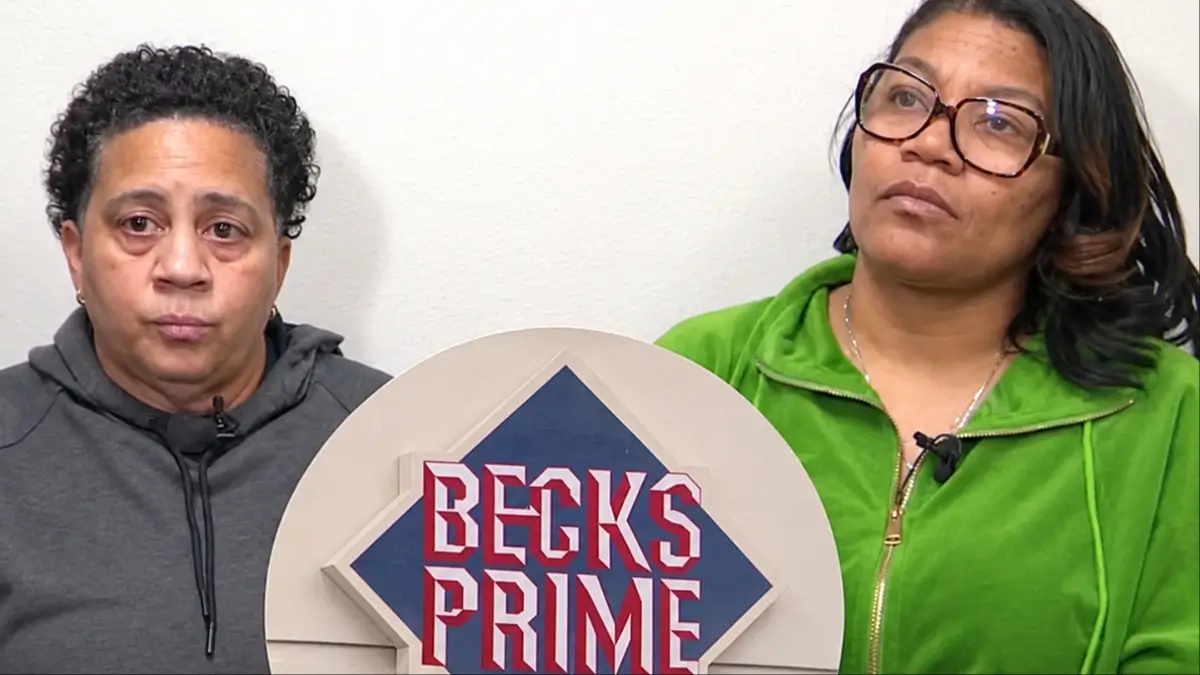
A Black Texas couple is gearing up for a lawsuit after receiving a restaurant check with a racial slur written on the back. Melanie Mathews and LaToya Harris-Mathews stopped for burgers at Becks Prime in Houston’s Meyerland neighborhood while out shopping for a birthday gift back in August. When the receipt came, they were horrified to see the word “nig–r” written in red on the back. Speaking to local news outlet KPRC 2, Harris-Matthews said she “froze” at first. “It was very traumatizing for me. I cried all the way home.” They said they were the only Black customers in the restaurant at the time. Before they left, the women confronted the staff and said an employee casually admitted to writing the slur. “This kid laughed when I asked him who did this. When he admitted that he did it, he laughed,” Melanie told the outlet.
This excerpt comes from the named source. Read the original for the full reporting.
Read the original at Atlanta Black Star