Local
Thanksgiving is now celebrated for its peaceful origins, but the true history surrounding the inaugural feast is violent and bloody
A Roundtable is a way to meet new people and discuss this article in person at a local coffee shop or other venue.
Roundtables are designed for groups of four, with a shared subject and room for everyone to speak. Come for discussion, with no dating expectation.
Source: inlander.com
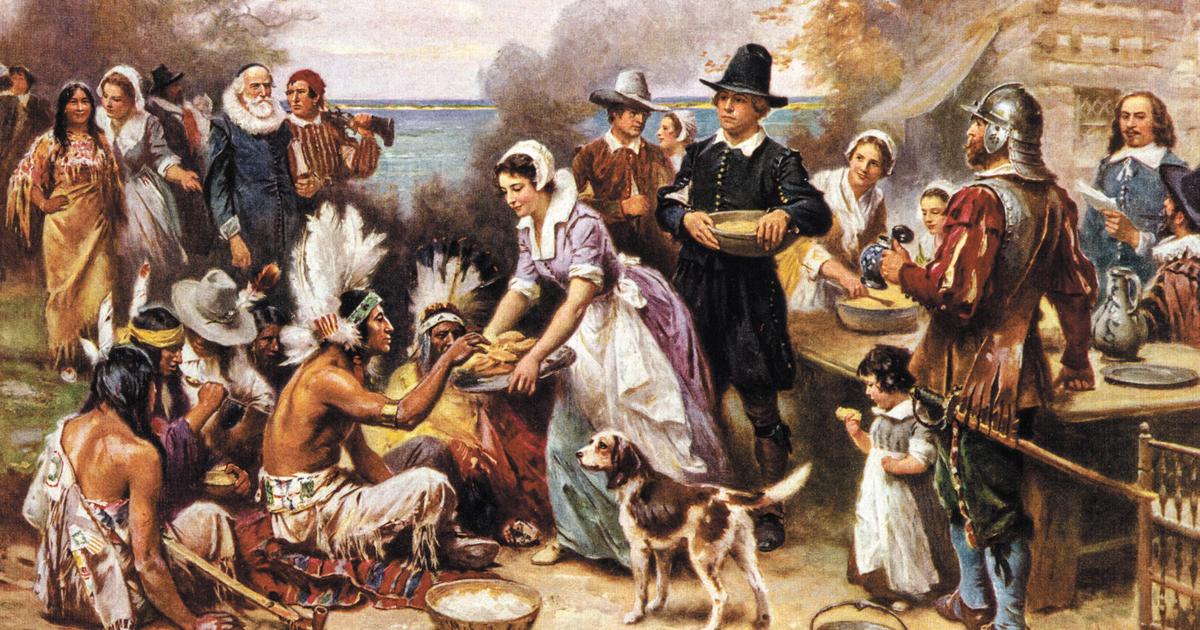
Artist Jean Léon Gerome Ferris’ depiction of the first Thanksgiving celebrated in 1621. Library of Congress photo When the Mayflower landed at Cape Cod November, 1620, the Pilgrims had spent two months crossing the tempestuous Atlantic and the local Native Americans, the Wampanoags, debated about whether they should kill them. The Pilgrims were religious refugees. They objected to King James I’s absolute control of the Anglican Church, the only legal form of Christianity in 17th century England. Religious doctrine and appointments of clergy were dictated by the king. And James burned heretics. A century before the First Thanksgiving, the English, French, and Dutch ravaged the New England coast for beaver pelts and slaves. In 1605, the French attempted to establish a Cape Cod settlement but the Wampanoag, inured by years of European rapacity, defended their territory and the French retreated north to found Quebec.
This excerpt comes from the named source. Read the original for the full reporting.
Read the original at inlander.com