Local
Thanksgiving: What we take for granted Father Joe & Carmelita cherished daily
A Roundtable is a way to meet new people and discuss this article in person at a local coffee shop or other venue.
Roundtables are designed for groups of four, with a shared subject and room for everyone to speak. Come for discussion, with no dating expectation.
Source: Manteca Bulletin
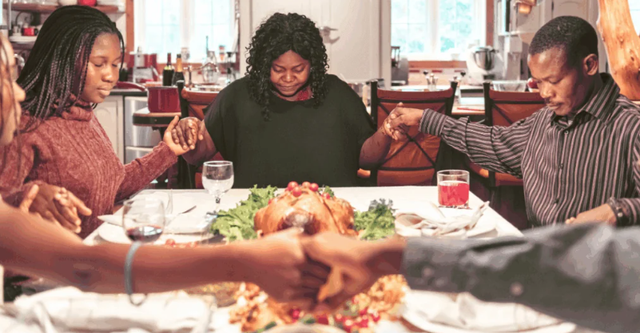
Father Joe is among those who understand the American tradition of Thanksgiving.Father Joe was a priest at St. Joseph’s Catholic Church just three doors down from my boyhood home in Lincoln, Placer County.The original implication of Thanksgiving for having the freedom to worship as freemen in a land of plenty was never lost on Father Joe. He was raised a Catholic in South Vietnam. It is where he went to seminary.It is where his parents were killed by the Viet Cong because of their religion. It is also where he was put into a re-education camp due to his religious beliefs after Saigon fell.Father Joe knew firsthand of his family, friends, and countrymen who were killed simply because they were Catholics.As we feast Thursday, there will be dozens of people around the globe who are being killed because of their religion. Hundreds more will be tortured because they don’t practice the same religion as their tormentors.
This excerpt comes from the named source. Read the original for the full reporting.
Read the original at Manteca Bulletin