Local
The Air Force maverick ‘who changed the art of war’
Meet in Common connects news with real conversations. Use ThinkMatch to arrange a Roundtable and meet people to discuss this story.
Source: Air Force Times
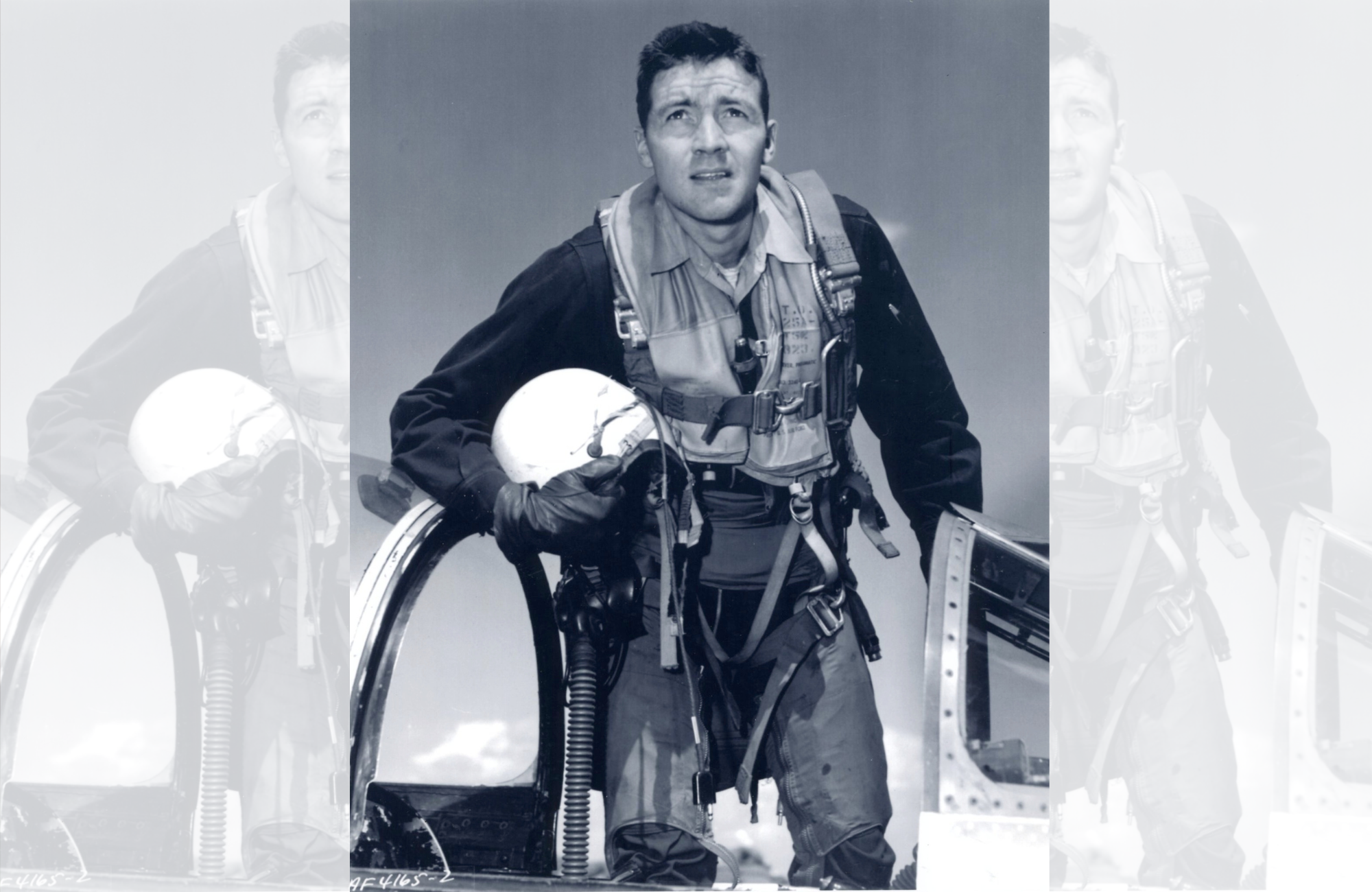
During World War I, fighter pilots became “knights of the air,” — romanticized as noble, masculine heroes who guarded the ground from violence above. That mythology lasted, creating a heritage that still tinges new fighter pilots with pride. “Military culture is different from civilian culture, military aviation culture is distinct from both, but fighter pilot culture is a world unto itself,” writes Michael W. Hankins in Flying Camelot: The F-15, the F-16, and the Weaponization of Fighter Pilot Nostalgia. However, things were different for Vietnam War pilots. Century Series fighters had struggled in the conflict’s air combat and the Air Force’s front-line fighter was the two-seater F-4 Phantom. The mythos of the fearless, individualistic fighter and the desire for turn-and-burn dogfights seemingly evaporated. Col. John Richard Boyd and his “Fighter Mafia” strove to change that. Born in Erie, Pennsylvania, in 1927, Boyd entered the U.S.
This excerpt comes from the named source. Read the original for the full reporting.
Read the original at Air Force Times