Local
The American Cancer Society has new prostate cancer screening guidance. Minnesota doctors weigh in
A Roundtable is a way to meet new people and discuss this article in person at a local coffee shop or other venue.
Roundtables are designed for groups of four, with a shared subject and room for everyone to speak. Come for discussion, with no dating expectation.
Source: Post-Bulletin
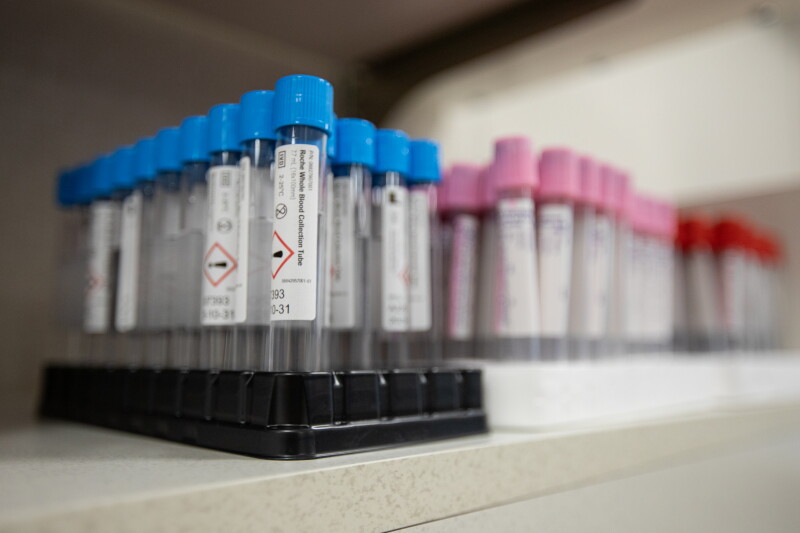
ROCHESTER — On Thursday, Nov. 12, the American Cancer Society issued new recommendations for who should receive prostate cancer screening and when. The society now recommends that men ages 50-69 who are at average risk of developing prostate cancer should be screened every two years. Certain groups, such as Black men and those who have a first-degree relative who was diagnosed with prostate cancer at or before age 65, should be screened each year from age 45 to 69. Prostate cancer screening involves a blood test to measure one's prostate-specific antigen, or PSA, levels. It is often covered by insurance. The new guidelines are similar to what the American Urological Association has recommended for years, said Dr. Philipp Dahm, a urologist, professor and urology residency program director at the University of Minnesota Medical School. "The AUA has been a lot more pro for screening," Dahm said.
This excerpt comes from the named source. Read the original for the full reporting.
Read the original at Post-Bulletin


