Local
The best and worst of the St. Louis International Film Festival
A Roundtable is a way to meet new people and discuss this article in person at a local coffee shop or other venue.
Roundtables are designed for groups of four, with a shared subject and room for everyone to speak. Come for discussion, with no dating expectation.
Source: Student Life
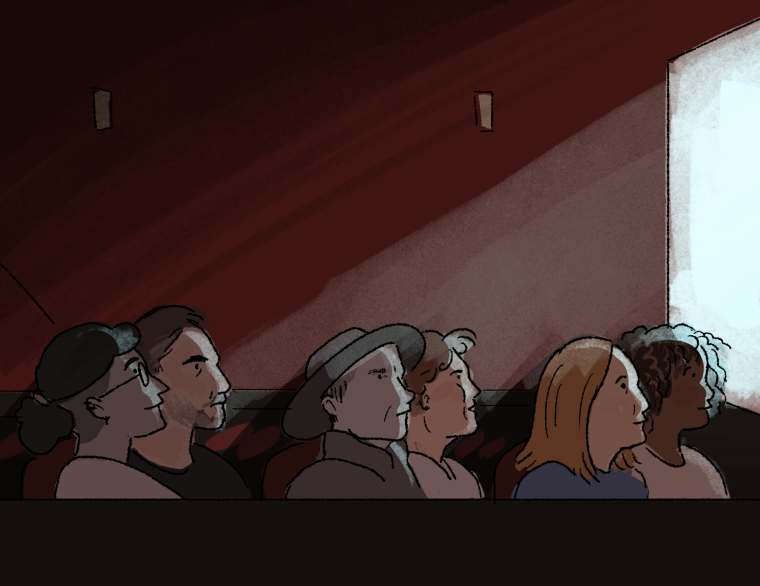
Lucia Thomas | Managing Illustration Editor From a DVD rental store in Little Rock, Arkansas, to a 17th-century peasant village in Europe, the 35th annual St. Louis International Film Festival presented a wide swath of film premieres, studio releases, and independent gems. As these movies release in theaters and on streaming services over the next few months, here are some favorites worth checking out, and a few of the skippable ones better left aside. “Tangles” (directed by Leah Nelson) In this black-and-white animated film, carefree illustrator Sarah (Abbi Jacobson) grows concerned as her mom, Midge (Julia Louis-Dreyfuss), becomes increasingly forgetful and suffers from wild mood swings. Sarah navigates friction with her family, maintaining a career, and her increasingly strained relationship with her girlfriend, Donimo (Samira Wiley).
This excerpt comes from the named source. Read the original for the full reporting.
Read the original at Student Life


