Local
The Brandeis ENACT Mock Policy Forum
A Roundtable is a way to meet new people and discuss this article in person at a local coffee shop or other venue.
Roundtables are designed for groups of four, with a shared subject and room for everyone to speak. Come for discussion, with no dating expectation.
Source: The Brandeis Hoot
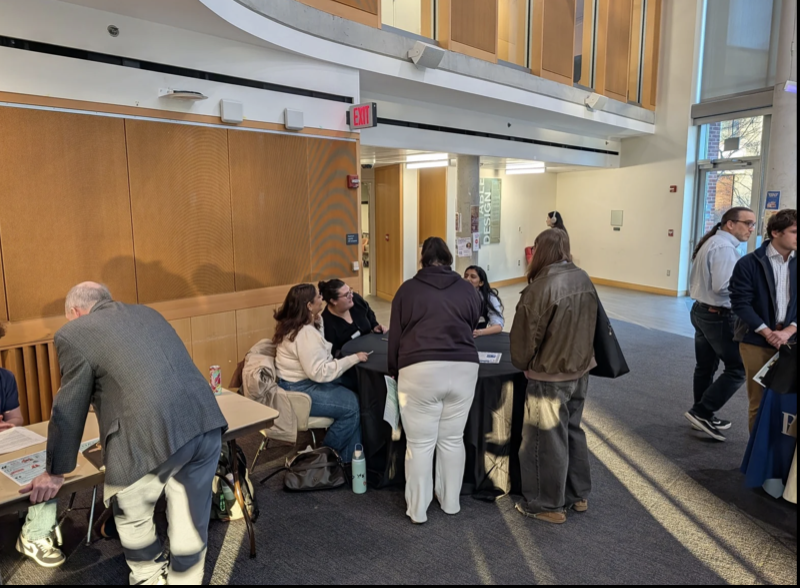
Legislation for Change: Research, Policy, and Social Determinants of Health is a Legal Studies course offered at Brandeis University and taught by Professor Charlotte Powley, who works with Brandeis’ ENACT (Educational Network for Active Civic Transformation) program focused on civic engagement. She brought The Hoot in for an inside scoop on her class’ big semester project, the Mock Policy Forum. For this event, students presented original legislation they had drafted to address pressing issues they had identified within Massachusetts. In attendance were other students in the class who had already presented their legislation, as well as visiting lawmakers. I spoke with Professor Powley to get a better understanding of her goals for this unique project. She explained that each proposed policy targets a different one of the five social determinants of health, with several centered around mental health, as well.
This excerpt comes from the named source. Read the original for the full reporting.
Read the original at The Brandeis Hoot