Local
The Buckeye Flame releases Rural NW Ohio Information Ecosystem Assessment
Meet in Common connects news with real conversations. Use ThinkMatch to arrange a Roundtable and meet people to discuss this story.
Source: The Buckeye Flame
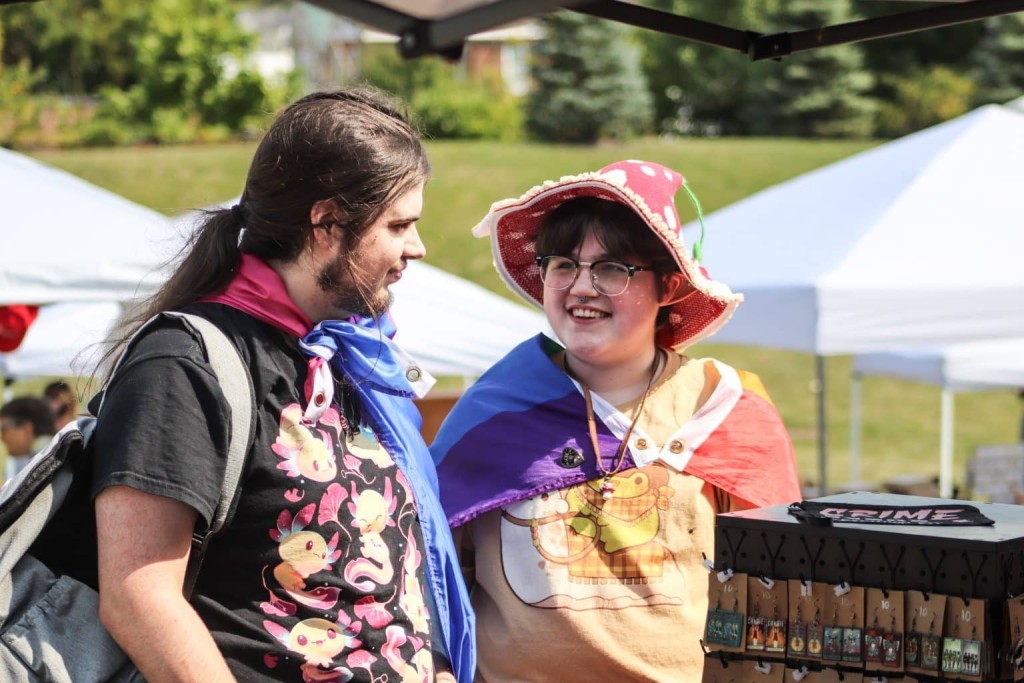
Over the summer, The Buckeye Flame dug into the news habits of LGBTQ+ people in rural Northwest Ohio with support from Listening Post Collective through surveys, in-person gatherings and virtual listening sessions. That work culminated into our Rural NW Ohio Information Ecosystem Assessment, which summarizes what we’ve learned, reveals new insights and highlights how our audience can help us better cover NW Ohio. The full PDF is available below! As a statewide newsroom, this assessment process helped identify gaps in our coverage as well as generated new story ideas. Thank you to our audience in NW Ohio for all of your help, and your commitment to The Buckeye Flame. Tell us what you think! Did we come to the right conclusions? Are we missing something? Email [email protected] with your thoughts. Buckeye Flame Rural NW Ohio IEA FinalDownload IGNITE ACTION To view the results of the survey, click here. To learn more about the Listening Post Collective, visit its website here.
This excerpt comes from the named source. Read the original for the full reporting.
Read the original at The Buckeye Flame


