Local
The disappearing right to anonymity
Meet in Common connects news with real conversations. Use ThinkMatch to arrange a Roundtable and meet people to discuss this story.
Roundtables are designed for groups of four, with a shared subject and room for everyone to speak. Come for discussion, with no dating expectation.
Source: The Cougar
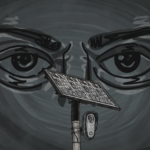
Isabel Bustos/The Cougar Knowledge drives the world. Who has it, who doesn’t and how it can be controlled determines how people move through it. It therefore stands to reason that people would want to be in control of how they are perceived, or, alternatively, how they are not perceived. This latter option can be especially difficult to achieve today due to the overwhelming number of eyes in both the physical and digital world. The use of “security cameras” When it comes to the former, security cameras are omnipresent. However, these cameras are not usually connected to a wider network. If they were, they would be much like the type of “security camera” found in Flock cameras located throughout the United States, including Houston. They are purportedly automatic license plate readers, but the Harris County Sheriff’s Office also utilizes that functionality and a facial recognition technology called Clearview AI.
This excerpt comes from the named source. Read the original for the full reporting.
Read the original at The Cougar