Local
The Dogs Become Beasts
A Roundtable is a way to meet new people and discuss this article in person at a local coffee shop or other venue.
Roundtables are designed for groups of four, with a shared subject and room for everyone to speak. Come for discussion, with no dating expectation.
Source: The Stuyvesant Spectator
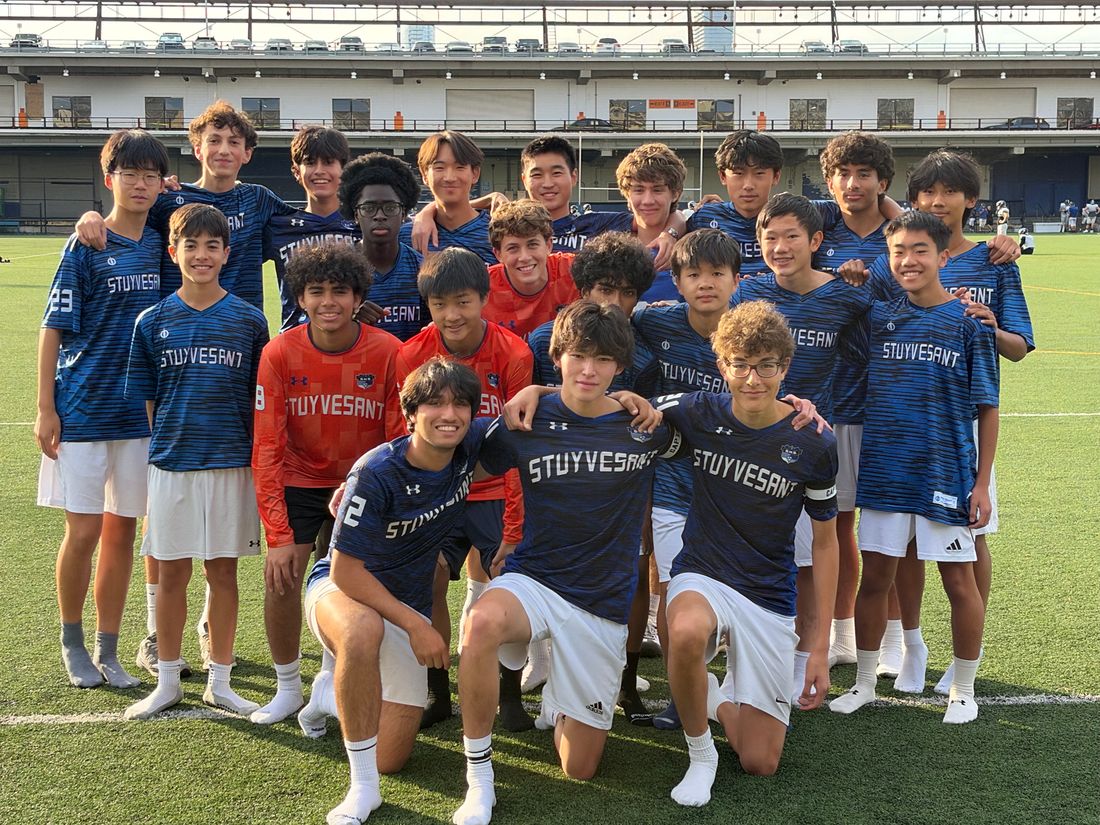
SportsThe Dogs Become BeastsThe Peglegs, Stuyvesant’s boys’ soccer team reflect on a season that ended with a 3-0 playoff loss to Brooklyn Tech, and look ahead to replacing 12 departing seniors.By Josh ArthurIssue 6, Volume 117 || 2026-2027By The Boys Soccer Team On the Peglegs, Stuyvesant boys’ soccer team, senior and striker Emmett Macrides goes by “the beast.” When a 3-0 Round of 16 loss to Brooklyn Technical High School ended the season on October 27, three words were all he had to say. “Feed the beast.” Next season, however, the beast won’t be around to feed. Macrides is one of 12 seniors who were part of the era that saw the Peglegs record three straight seasons of reaching at least the semifinals, including last year’s run to the team’s first PSAL final. Finding a replacement for them is one of the biggest challenges that the team currently faces.
This excerpt comes from the named source. Read the original for the full reporting.
Read the original at The Stuyvesant Spectator


