Local
The end of NASA’s Swift telescope? The risky mission to save the gamma-ray hunter
A Roundtable is a way to meet new people and discuss this article in person at a local coffee shop or other venue.
Roundtables are designed for groups of four, with a shared subject and room for everyone to speak. Come for discussion, with no dating expectation.
Source: Meteored United States
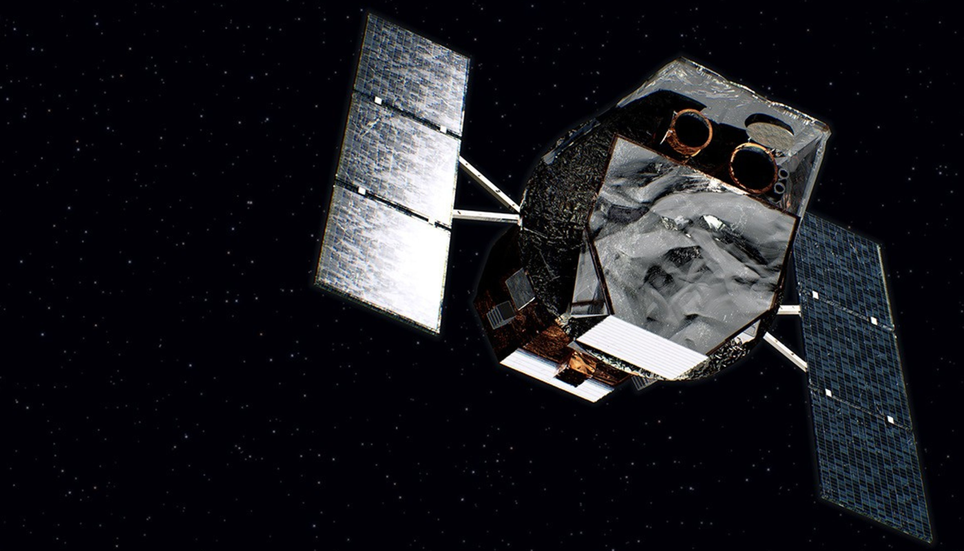
NASA’s Swift Space Telescope was destroyed upon reentering Earth’s atmosphere after more than 20 years of observing gamma rays. A robotic mission to raise its orbit failed to prevent the loss of the observatory. NASA's Neil Gehrels Swift Observatory was destroyed during its reentry into Earth's atmosphere after more than two decades of observations. Launched in 2004, the observatory was designed to detect gamma-ray bursts, highly energetic events associated with the collapse of stars and the merger of compact objects. The telescope was lost after its orbital altitude gradually decreased due to atmospheric drag. This occurs because interactions with particles in the atmosphere reduce a satellite's orbital energy, causing its orbit to decay over time. To prevent this, a robotic mission had been planned to reach Swift and raise its orbit, extending its operational lifetime. However, the rescue attempt failed to prevent the observatory's reentry. Farewell to the Swift telescope!
This excerpt comes from the named source. Read the original for the full reporting.
Read the original at Meteored United States