Local
The Houthis Have Taken the Middle East Hostage
A Roundtable is a way to meet new people and discuss this article in person at a local coffee shop or other venue.
Roundtables are designed for groups of four, with a shared subject and room for everyone to speak. Come for discussion, with no dating expectation.
Source: Fair Observer
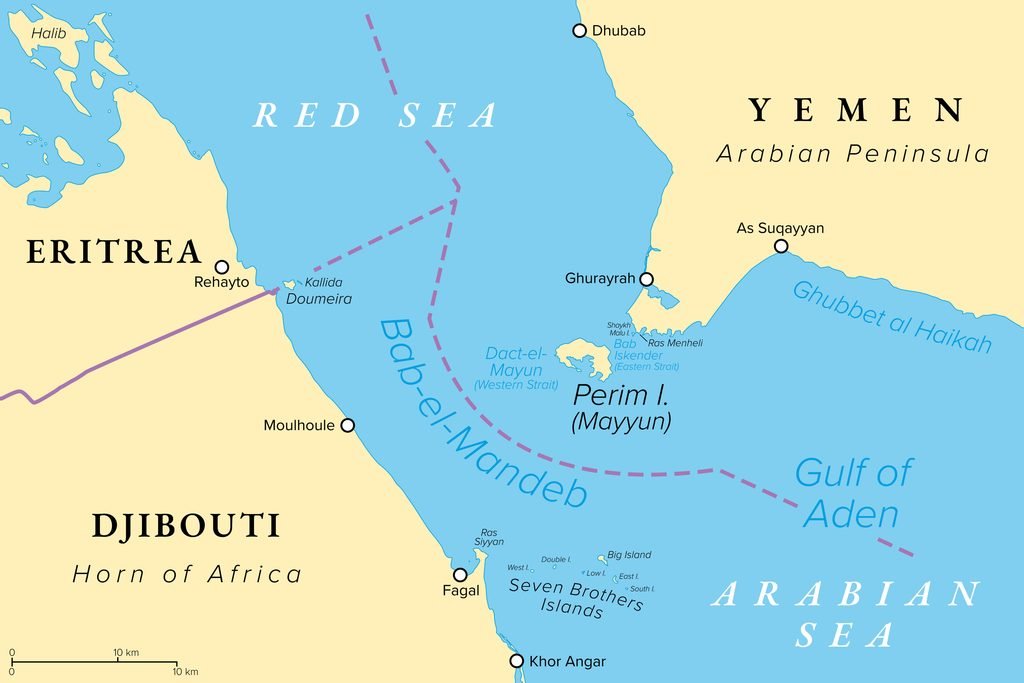
Fair Observer’s Editor-in-Chief, Atul Singh, speaks with Edmund Fitton-Brown, a former British ambassador to Yemen and former coordinator of the United Nations monitoring team for Islamic State, al-Qaeda and the Taliban. They trace the rise of the Houthis from a revivalist movement in northern Yemen to an armed force capable of disrupting global trade. For Fitton-Brown, the crisis in the Red Sea reflects a series of decisions inside Yemen that left the Houthis in a position to project power far beyond the country’s borders. The roots of the Houthi rise Singh begins by explaining the geography. The Bab el-Mandeb Strait connects the Gulf of Aden to the Red Sea, making it a gateway for ships headed to the Mediterranean through the Suez Canal. To explain how the Houthis gained influence over that route, Fitton-Brown goes back to Yemen’s political and religious divisions.
This excerpt comes from the named source. Read the original for the full reporting.
Read the original at Fair Observer