Local
The Iran War: A Case Study in (Likely) Strategic Defeat
A Roundtable is a way to meet new people and discuss this article in person at a local coffee shop or other venue.
Roundtables are designed for groups of four, with a shared subject and room for everyone to speak. Come for discussion, with no dating expectation.
Source: Just Security
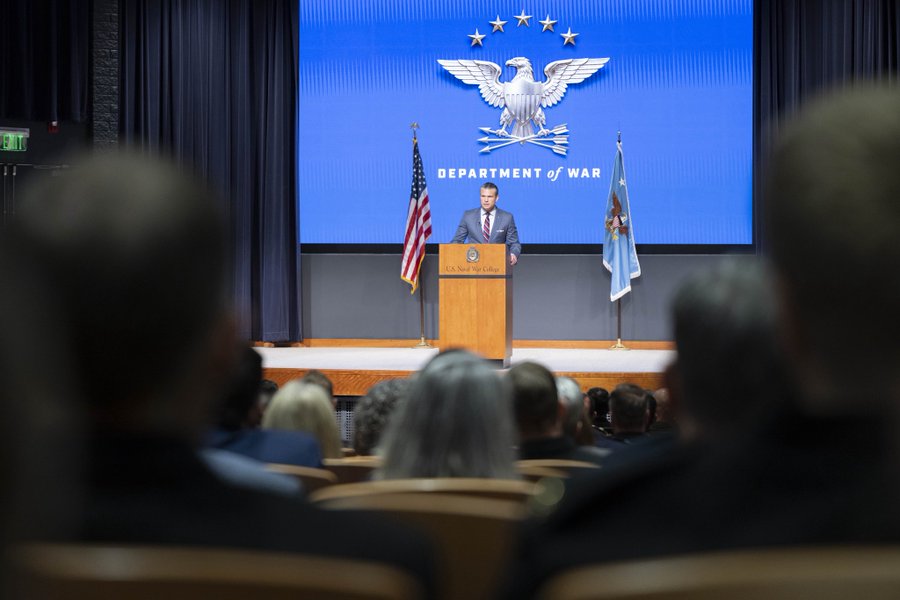
On Nov. 9, Secretary of Defense Pete Hegseth announced a major overhaul of the nation’s senior service colleges in an address at the United States Naval War College. He made clear that the metric of success for those institutions is their contribution to “victory,” emphasizing, To truly teach victory, our institutions must also possess the intellectual courage to confront defeat. One of the most alarming findings of our comprehensive review was that our war colleges actively avoid the rigorous study of recent American strategic failures. Faculty dismissed them as sore subjects or politically sensitive topics. As a professor emeritus of the College, I would note that the Naval War College has studied victory and defeat at least since I graduated over three decades ago. But I could not agree more with the Secretary’s premise that case studies of both must lie at the heart of a war college curriculum.
This excerpt comes from the named source. Read the original for the full reporting.
Read the original at Just Security