Local
The Lawsuit Over Regulation B, and Why Fair Lending Rules Matter
Meet in Common connects news with real conversations. Use ThinkMatch to arrange a Roundtable and meet people to discuss this story.
Source: USA Daily News 24
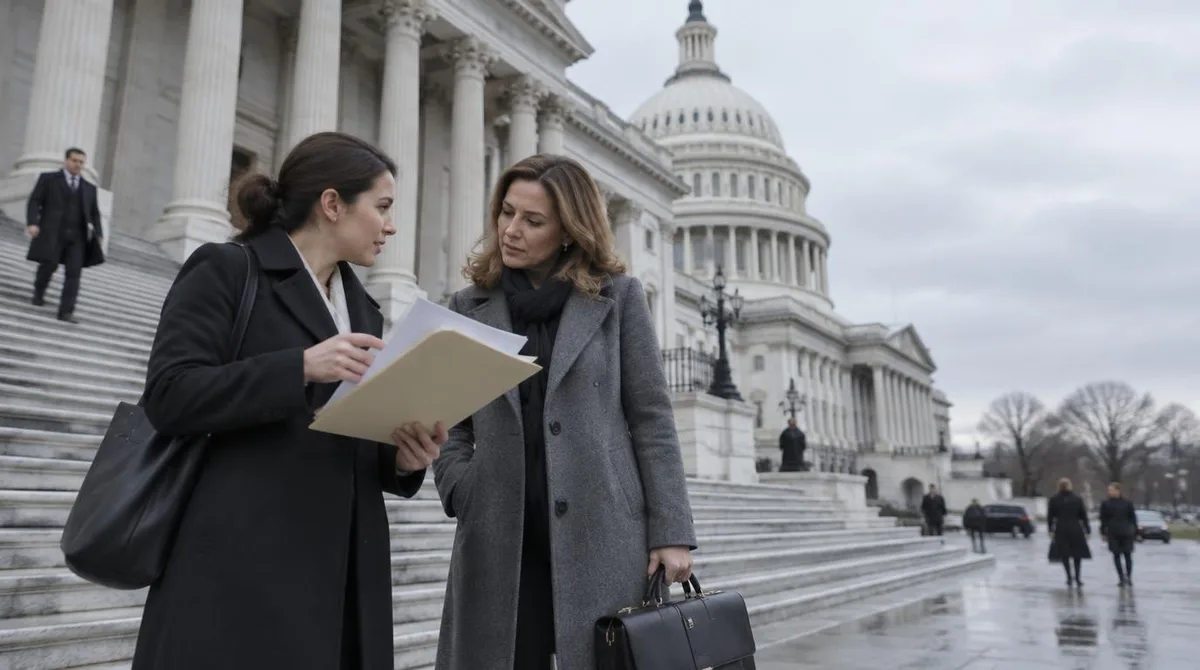
The fight over who gets credit in America now runs through a federal courtroom in Boston. According to the Legal Defense Fund, in a press release dated October 29, 2026, the National Urban League and the Massachusetts Association of Community Development Corporations have sued to stop the administration from rolling back three protections in Regulation B, the rule that implements the Equal Credit Opportunity Act. The suit was filed in the United States District Court for the District of Massachusetts and asks the court to vacate the three changes. For readers trying to follow the case, the dispute turns on a 1970s law most people have never heard named. According to the Legal Defense Fund, Regulation B implements the Equal Credit Opportunity Act (ECOA), and ECOA and Regulation B have long protected people of color, women, and other groups from discrimination.
This excerpt comes from the named source. Read the original for the full reporting.
Read the original at USA Daily News 24