Local
The Logging Towns Still Working The Pacific Northwest
A Roundtable is a way to meet new people and discuss this article in person at a local coffee shop or other venue.
Roundtables are designed for groups of four, with a shared subject and room for everyone to speak. Come for discussion, with no dating expectation.
Source: WorldAtlas
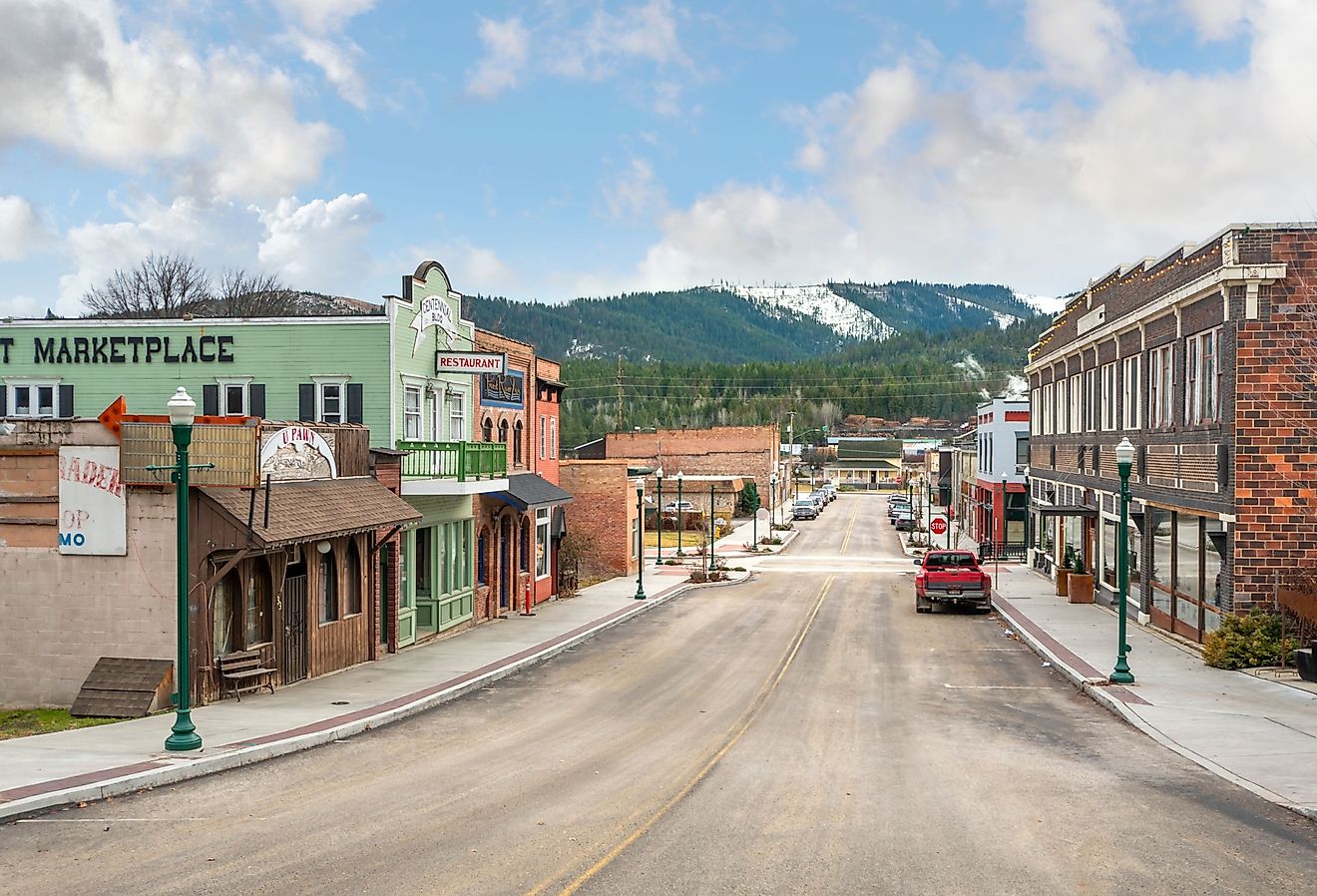
One sawmill in Morton, Washington, turns out enough lumber every day to frame about 70 houses, according to its managers. Logging in the Pacific Northwest is smaller than it was a century ago, and many old mill towns lost their mills long ago. In others, log trucks still rumble down Main Street and the mill whistle still marks the shift. These towns celebrate that work with rodeos, chainsaw carving contests, and logging shows that draw crowds every summer. Here is where timber still pays the bills in the Pacific Northwest. Morton, Washington Logs move along conveyors through computer-guided saws at the Hampton Lumber mill in Morton, one of the largest employers in eastern Lewis County. The crew is smaller and more automated than in the old days, but the mill still anchors the economy of this foothill town between Mount Rainier and Mount St. Helens. The Morton Loggers' Jubilee, billed as the "Granddaddy of All Logging Shows," has run each August for more than 80 years.
This excerpt comes from the named source. Read the original for the full reporting.
Read the original at WorldAtlas