Local
The long journey turkeys took from wild to farmyard
A Roundtable is a way to meet new people and discuss this article in person at a local coffee shop or other venue.
Roundtables are designed for groups of four, with a shared subject and room for everyone to speak. Come for discussion, with no dating expectation.
Source: The Mining Journal
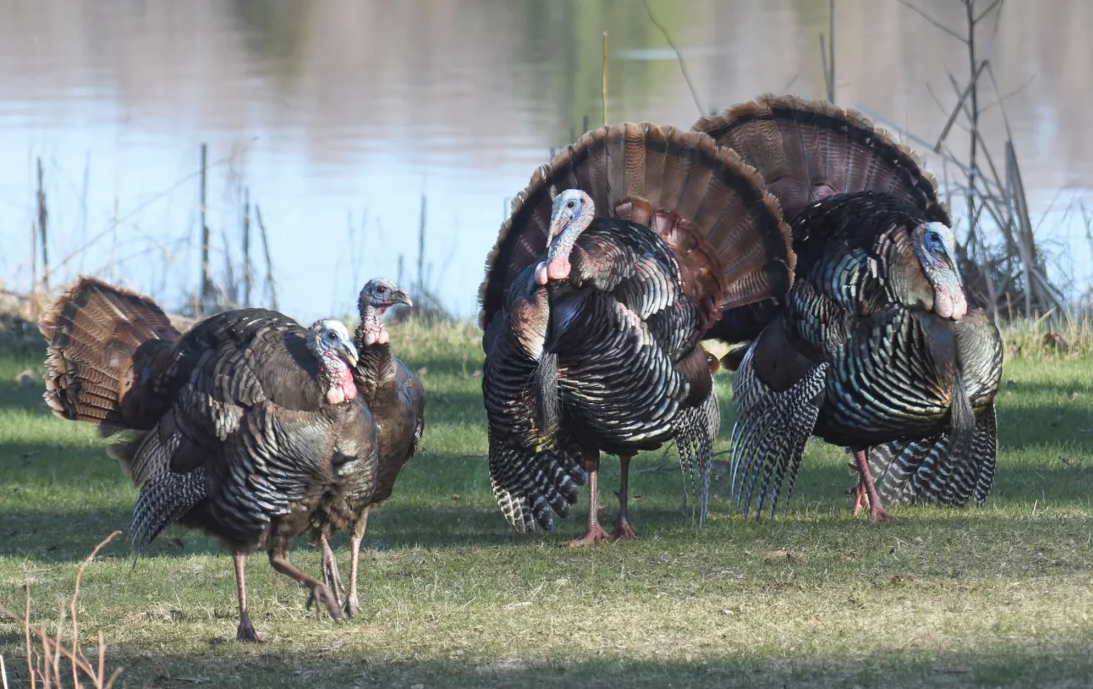
This is the time of year to celebrate the only North American animal species to be domesticated: The turkey. Yes, our native bison, white-tailed deer and elk can be farm-raised, but they remain relatively unchanged from their wild counterparts. Not turkeys. They’ve gone from the bronzed-brown, leaner, flying form we still see today to a white-plumaged, ample-breasted bird that gets stocked in grocery stores and graces most Thanksgiving tables. What’s even more remarkable: Almost all the domestic turkeys in the U.S. arise not directly from native birds tamed by indigenous tribes but from what was taken to Europe and then carried back across the Atlantic Ocean to the land from which it originated. Turkeys had been domesticated in Mexico since possibly as early as 800 BCE and by the 15th century “the Aztecs were raising and eating tens of thousands of them,” author Rosemary Griggs wrote in an article posted Dec. 12, 2022, on her website at rosemarygriggs.co.uk.
This excerpt comes from the named source. Read the original for the full reporting.
Read the original at The Mining Journal