Local
The Love Hypothesis: An Electrifying STEMinist Romantic Flick
Meet in Common connects news with real conversations. Use ThinkMatch to arrange a Roundtable and meet people to discuss this story.
Source: The Montclarion
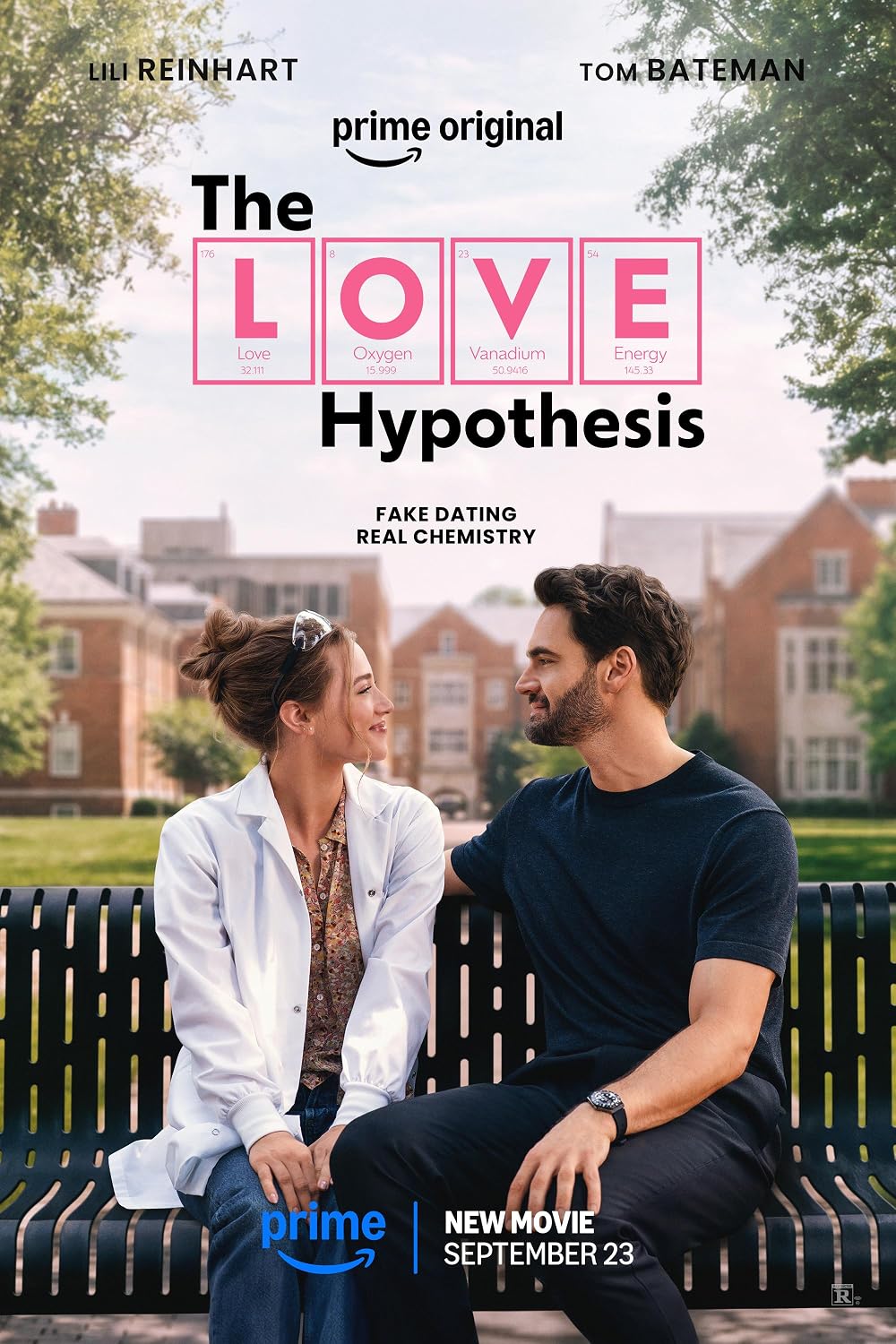
How far can one fake-dating experiment go before real results? Now, we have the answer as The Love Hypothesis has landed on Prime Video. After only two days, the film became number one in the U.S and it doesn’t take science to see why everyone’s obsessed. Based on the Ali Hazelwood bestseller novel of the same name, The Love Hypothesis centers on Ph.D. candidate Olive Smith, played by Riverdale alum Lilli Reinhart, as she unexpectedly lands herself into a romantic scheme after Anh (Rachel Marsh), Olive’s best friend, confesses she has feelings for Olive’s old crush Jeremy (Nicolas Duvernay). In order to prove that she has moved on, Olive impulsively kisses a stranger to get Anh’s attention. Only that stranger turns out to be the moody professor Adam Carlson (aka “Dr. Evil”), played by Tom Bateman. Soon, that single kiss spirals into a complex fake dating situationship leading the two scientists to question their “false” chemistry.
This excerpt comes from the named source. Read the original for the full reporting.
Read the original at The Montclarion