Local
The Machine and the Altar: Silicon Valley Uses Traditionalism as Control
Meet in Common connects news with real conversations. Use ThinkMatch to arrange a Roundtable and meet people to discuss this story.
Source: Fair Observer
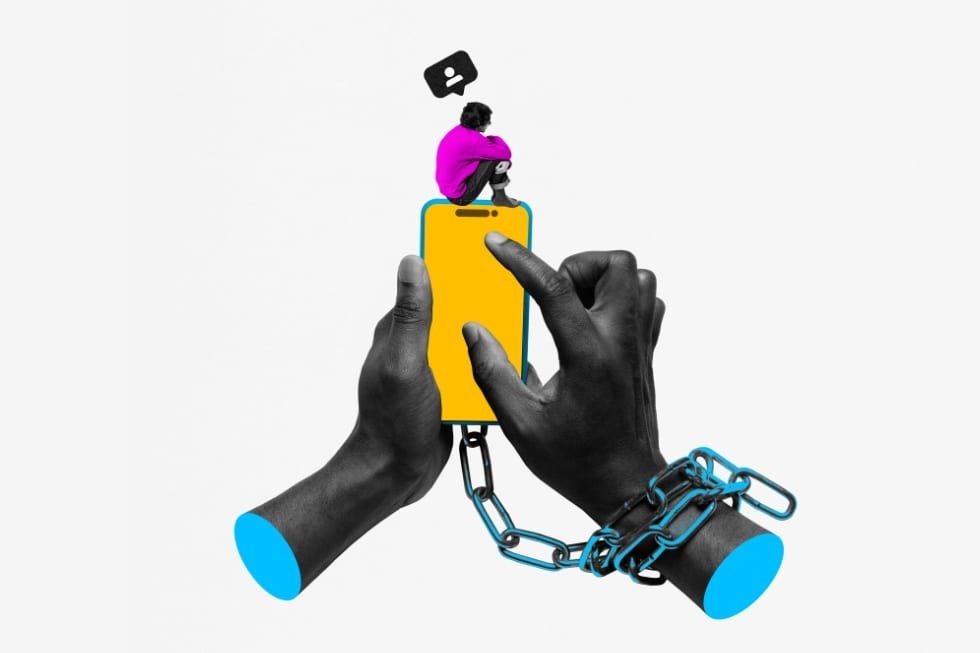
There is a pattern in the men who now own the infrastructure of modern life, and it looks at first like hypocrisy. They are radicals about technology and reactionaries about human beings. They will remake what you see, what you read, what you buy, whom you meet, what you believe and what you want, at a speed no society has ever had to absorb — and then, having appointed themselves the agents of permanent revolution in every technical domain, they turn to the arrangement of human life and discover that the old order was right all along. A woman’s place. A nation’s blood. A father’s authority. The natural hierarchy of the strong over the weak. Move fast and break everything, they say, except the hierarchy. It is tempting to call this contradiction, and to leave it there. Call Elon Musk a hypocrite for preaching free speech while throttling it, or for championing fatherhood as an abstraction while scattering children across a dozen households.
This excerpt comes from the named source. Read the original for the full reporting.
Read the original at Fair Observer