Local
The Most Rewatched Movie Endings, Explained: Why Some Final Scenes Stick
Meet in Common connects news with real conversations. Use ThinkMatch to arrange a Roundtable and meet people to discuss this story.
Source: Red Orb News
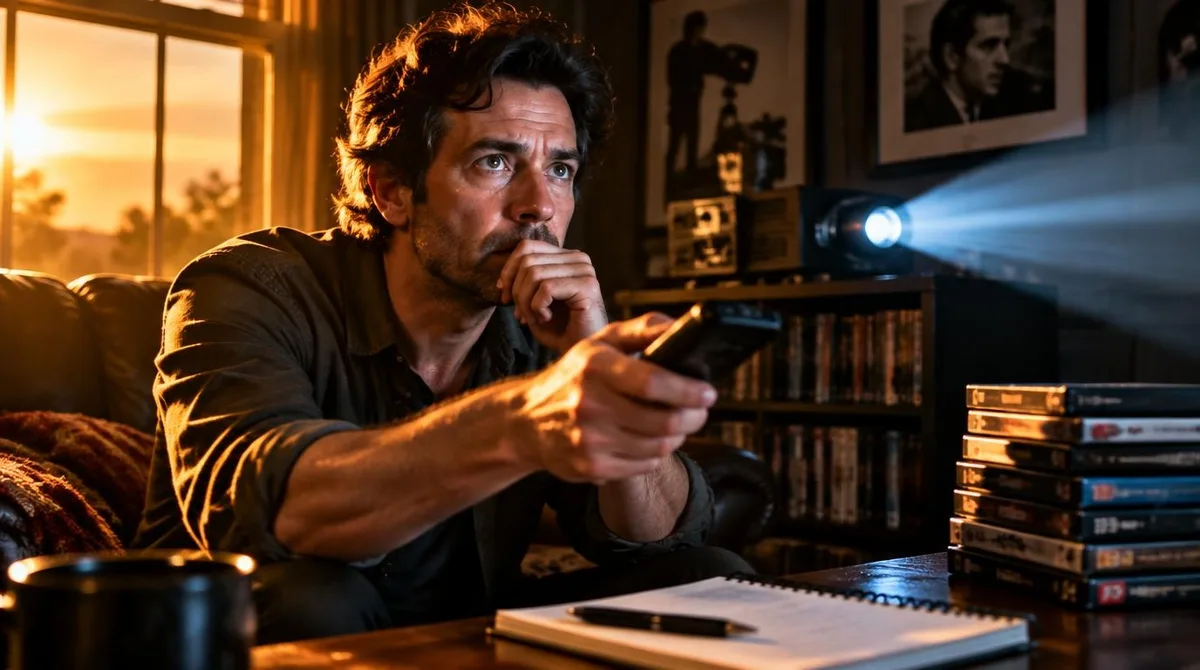
The most rewatched movie endings share a few traits, and none of them require a spoiler to describe. They resolve a question the whole film has been building toward, they leave one small thing open for the viewer to argue about, and they play differently the second time because you now know where everyone ends up. That combination is why certain final scenes get replayed far more often than others. This piece explains what rewatch actually means, why endings carry that weight more than any other scene, and what to look for when you decide whether a finale earns its reputation. It stays out of the verdict business: the reception record belongs to named critics, and the choice belongs to you. If you want a grounding in how aggregate numbers work before you weigh any ending, our guide on how to read IMDb ratings covers what those scores do and do not measure. We covered a connected angle in How to Read IMDb Ratings: What the Scores Actually Mean and Why They Vary.
This excerpt comes from the named source. Read the original for the full reporting.
Read the original at Red Orb News