Local
The Needle: Lonnie Bunch Responds to Smithsonian Overhaul Plan, U.S. Marshals Have Arrested 20K in D.C., East Potomac Golf Course Block Extended Through Mid-Dec., and More
A Roundtable is a way to meet new people and discuss this article in person at a local coffee shop or other venue.
Roundtables are designed for groups of four, with a shared subject and room for everyone to speak. Come for discussion, with no dating expectation.
Source: Washington City Paper
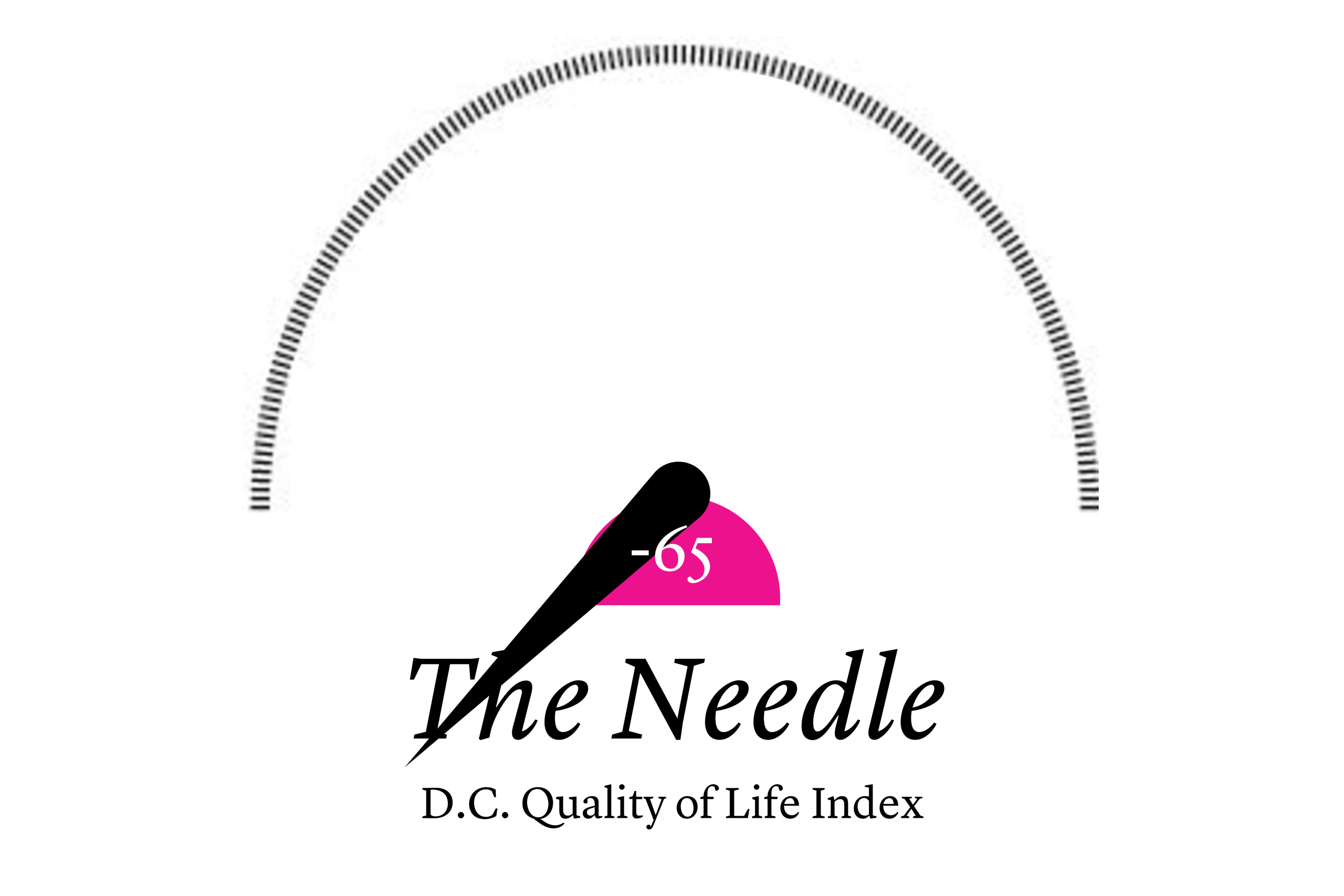
Don’t work on the subway baby: Smithsonian Secretary Lonnie Bunch spoke about the images ProPublica published of a Metro commuter working on a document titled “The Smithsonian Institution Renewal Plan,” which showed plans to create new guidelines for the institution’s content, overhaul its systems for grants and lending, and fire more than a dozen employees, mostly from the National Museum of American History. Bunch, who will leave the Smithsonian next month, told employees, “The Smithsonian will continue to be driven by scholarship, research, and reflection, free from outside influence and in service to the American people.” Plus one point for protecting the institution. +1 [Post] Unsafe and ugly: The U.S. Marshals Service announced it will reach 20,000 D.C. arrests since convicted felon and President Donald Trump signed an executive order in March 2025 to create the “D.C.
This excerpt comes from the named source. Read the original for the full reporting.
Read the original at Washington City Paper


