Local
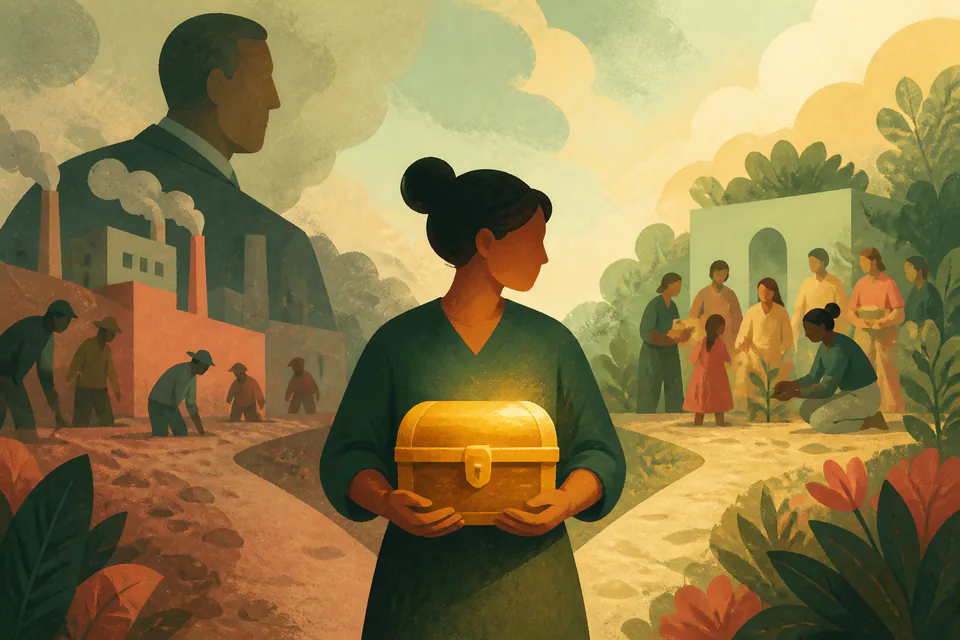
The Organic Food Industry Sells Status, not Salvation
A Roundtable is a way to meet new people and discuss this article in person at a local coffee shop or other venue.
Roundtables are designed for groups of four, with a shared subject and room for everyone to speak. Come for discussion, with no dating expectation.
Source: Fair Observer
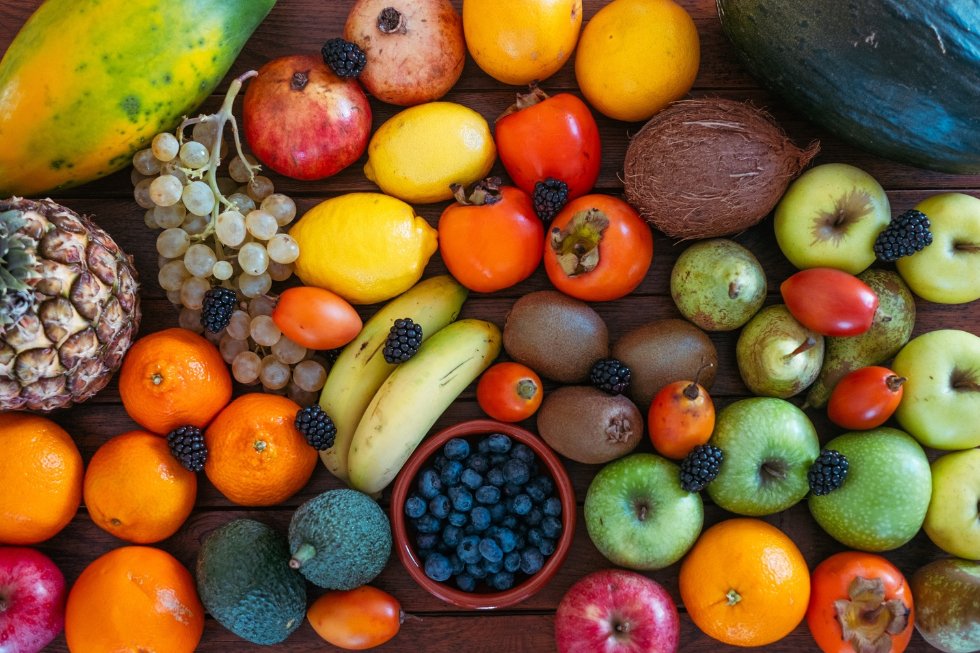
Walk into a Whole Foods Market, and you enter a carefully constructed moral universe. The vegetables glisten beneath artificial mist. Packages speak of ancient grains, regenerative soil and family farms. Meat carries certificates attesting to its purity. Shopping here is presented as something more than commerce. It is an act of personal and planetary responsibility. Whole Foods says its purpose is to “nourish people and the planet.” Its manifesto is grandly titled the “Declaration of Interdependence.” That is a remarkable amount of moral freight for a supermarket, especially one where a modest bag of groceries can cost more than what many Americans earn in a day. Whole Foods is the most visible expression of a much larger industry that has turned ordinary anxieties about food into a luxury belief system.
This excerpt comes from the named source. Read the original for the full reporting.
Read the original at Fair Observer