Local
The Rutland Opera House: Vermont’s hidden contemporary art center on Merchants Row
A Roundtable is a way to meet new people and discuss this article in person at a local coffee shop or other venue.
Roundtables are designed for groups of four, with a shared subject and room for everyone to speak. Come for discussion, with no dating expectation.
Source: Rutland Herald
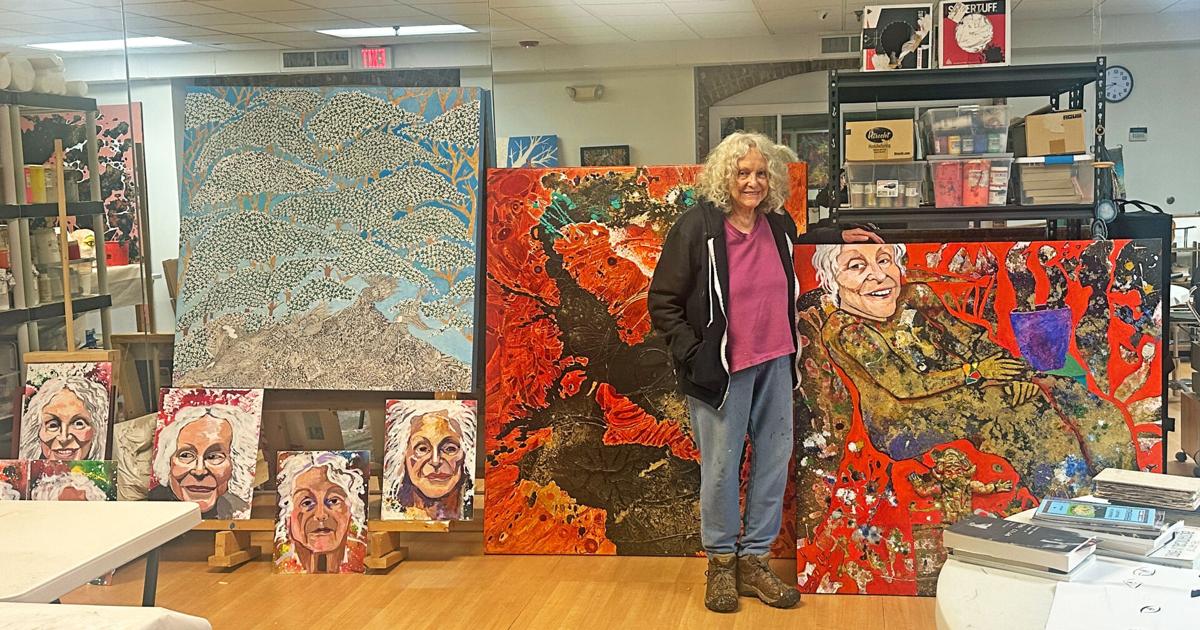
Three sprawling floors of art, two legendary Vermont artists based in expansive studios, and a selection of more than 70 artworks from the extraordinary collection of the Northern New England Museum of Contemporary Art, a visual feast is in place and open to the public in downtown Rutland in the former Opera House on Merchants Row. The historic building, dedicated as the Ripley Opera House in 1881, is home to co-working space Hub CoWorks, offices, and meeting rooms. Besides being a center for individuals’ work, businesses, and community organizations, the building is a hub of visual arts. Artist-in-residence Fran Bull has her exuberant studio on the first floor. Along with works in progress, including “The Venus of All Good Things,” and sculptures of faces that bring to mind characters from commedia dell’arte and more in her studio, her work festoons the labyrinthine halls and lobbies of the level — selections from her recent “Tar Pit” and “Storyboards” series among them.
This excerpt comes from the named source. Read the original for the full reporting.
Read the original at Rutland Herald