Local
The Thanksgiving we've come to know was created to unite a divided country
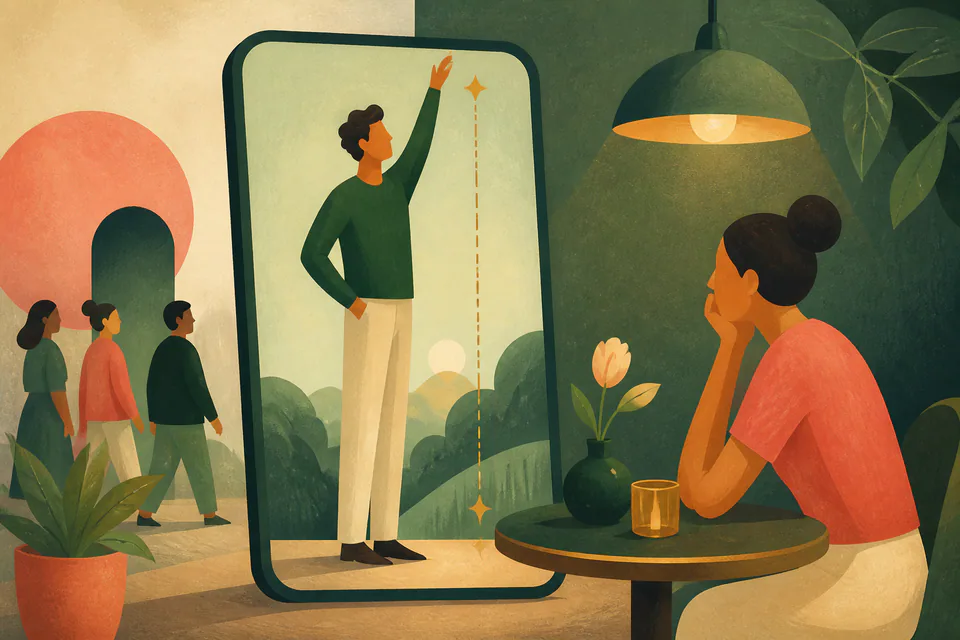
A Roundtable is a way to meet new people and discuss this article in person at a local coffee shop or other venue.
Roundtables are designed for groups of four, with a shared subject and room for everyone to speak. Come for discussion, with no dating expectation.
Source: Chicago Sun-Times
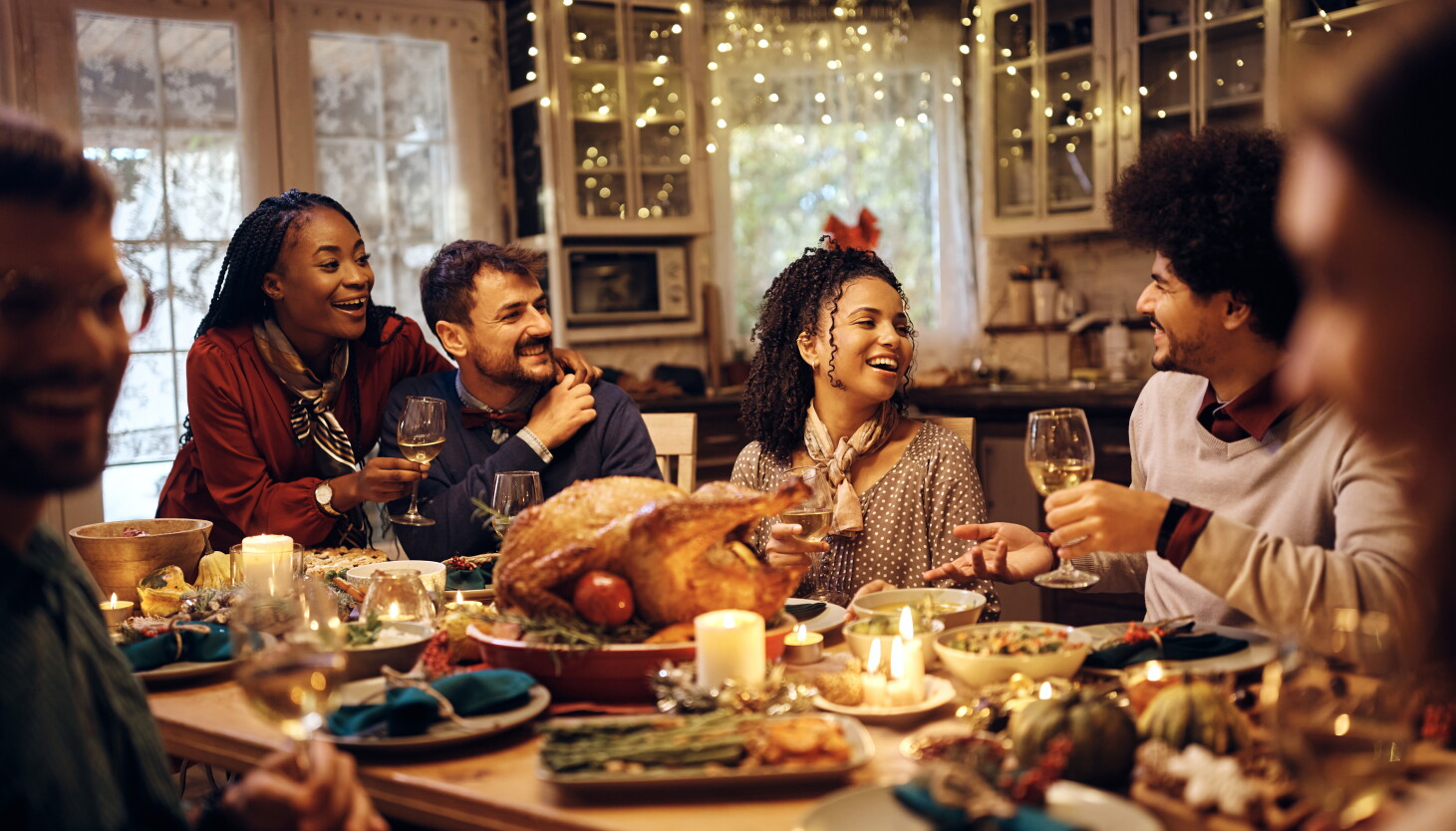
It is hard to imagine a more American holiday than Thanksgiving. Every year, elementary schoolers learn about the first celebration: that after surviving a terrible year, New England’s first European immigrants, the Pilgrims, invited their Indigenous neighbors to a feast in gratitude for their help and God’s providence. Children learn the story as if it were history — and as though Americans have commemorated Thanksgiving the same way ever since. The only existing eyewitness account of this event does not, however, say much about what was eaten. A slightly later account of the 1621 harvest mentions seasonal food such as venison, corn and, yes, turkeys. The idea of a straight line connecting that “first Thanksgiving” to Thanksgivings today is, in fact, an American myth. It is a story created in the 19th century to unify a nation and long used to assimilate new immigrants into it.
This excerpt comes from the named source. Read the original for the full reporting.
Read the original at Chicago Sun-Times