Local
The Towns In Arizona Where Retirees Are Moving To
A Roundtable is a way to meet new people and discuss this article in person at a local coffee shop or other venue.
Roundtables are designed for groups of four, with a shared subject and room for everyone to speak. Come for discussion, with no dating expectation.
Source: WorldAtlas
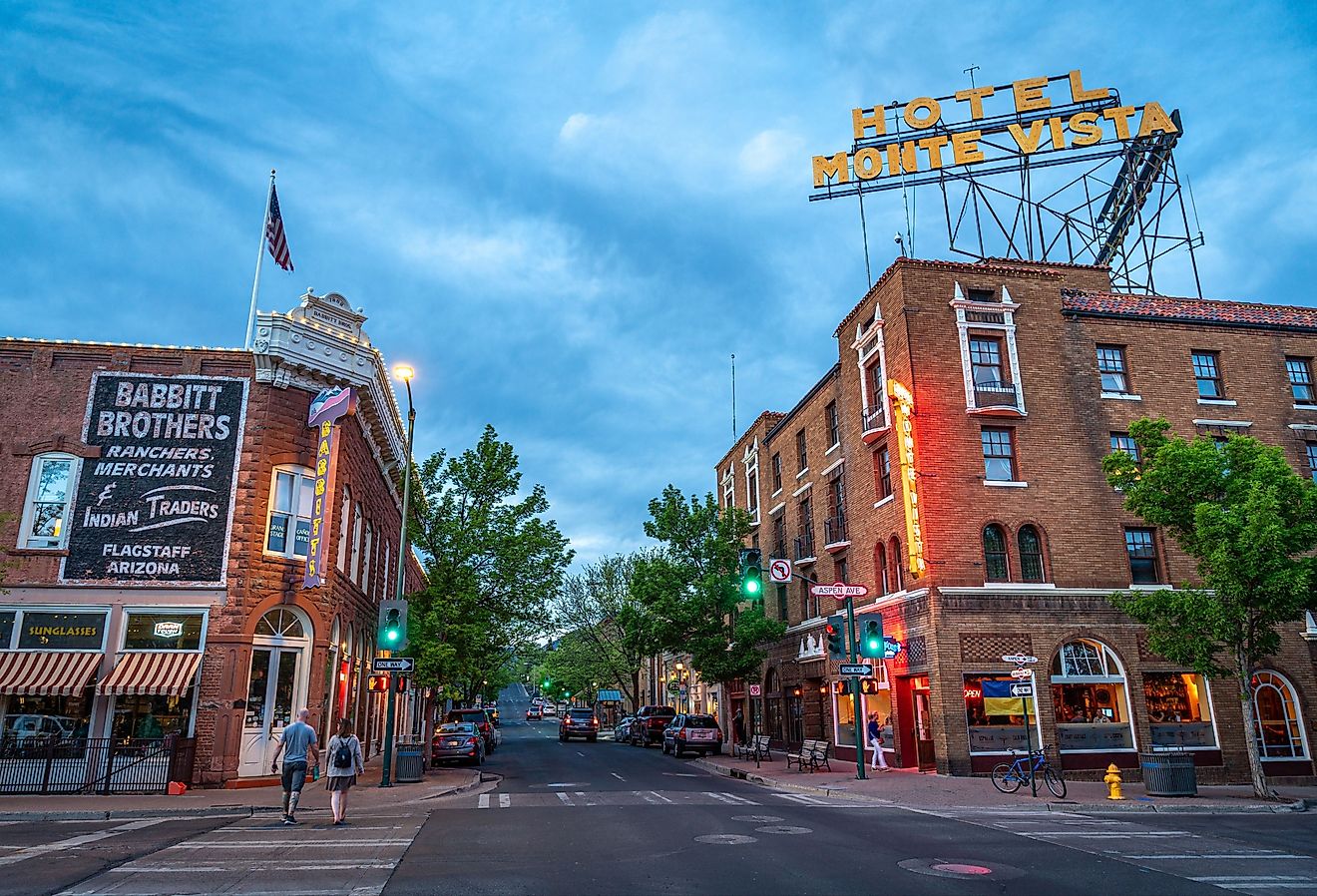
By Medicare's count, Arizona had 189,966 more residents aged 65 and over in 2025 than in 2020, and Pinal County's older population grew fastest, up 27.0% against 15.6% statewide. In the Census Bureau's latest survey, older residents who had moved from another state outnumbered those moving between Arizona counties nearly four to one. They are settling on the desert edges, below the Santa Catalina and Superstition mountains, and along the Colorado River, while Sun City's older population shrank. Arizona's income tax also excludes Social Security benefits. Twelve towns show both trends: more residents aged 65 and over than in the 2020 survey, and newcomers outpacing the state rate of 3.67%. Flagstaff Flagstaff deviates from the statewide pattern because most of its older newcomers are from within Arizona. Residents 65 and over rose from 6,427 to 7,122 between the two surveys.
This excerpt comes from the named source. Read the original for the full reporting.
Read the original at WorldAtlas