Local
The UCPC Gives Students A Companion During The Cooler Weather
A Roundtable is a way to meet new people and discuss this article in person at a local coffee shop or other venue.
Roundtables are designed for groups of four, with a shared subject and room for everyone to speak. Come for discussion, with no dating expectation.
Source: www.asurampage.com
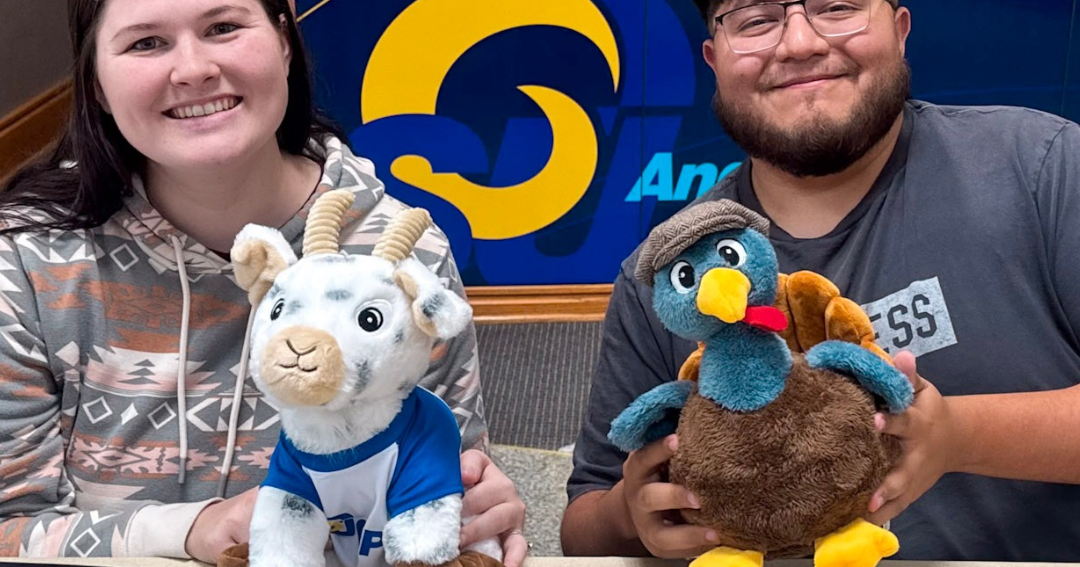
By Piper Whitt Angelo State University’s Center Program Council allowed students to create personalized stuffed animals during the Create-A-Critter event on Nov. 11-12.The event took place at the Multicultural Lobby inside the Houston Harte University Center from 9 a.m. to 2 p.m. on both days. The stuffed animals cost $10. Students bring their new stuffed critters to life at the UCPC Create-a-Critter event. By Piper Whitt Italia Dominguez Valles, the UCPC’s day and night chair of student life, intended for the event to give students the chance to create something for themselves or loved ones during the holidays. "The purpose of this is just for students to come and get a stuffed animal either for themselves or they can also do it for a loved one since the holidays are coming up," Valles said. UCPC gives students the chance to create and stuff their own cuddly companions at the Create-a-Critter event.
This excerpt comes from the named source. Read the original for the full reporting.
Read the original at www.asurampage.com