Local
The US paid insurers billions to cover civilians harmed in war. Even the government says the system is ripe for fraud.
A Roundtable is a way to meet new people and discuss this article in person at a local coffee shop or other venue.
Roundtables are designed for groups of four, with a shared subject and room for everyone to speak. Come for discussion, with no dating expectation.
Source: Navy Times
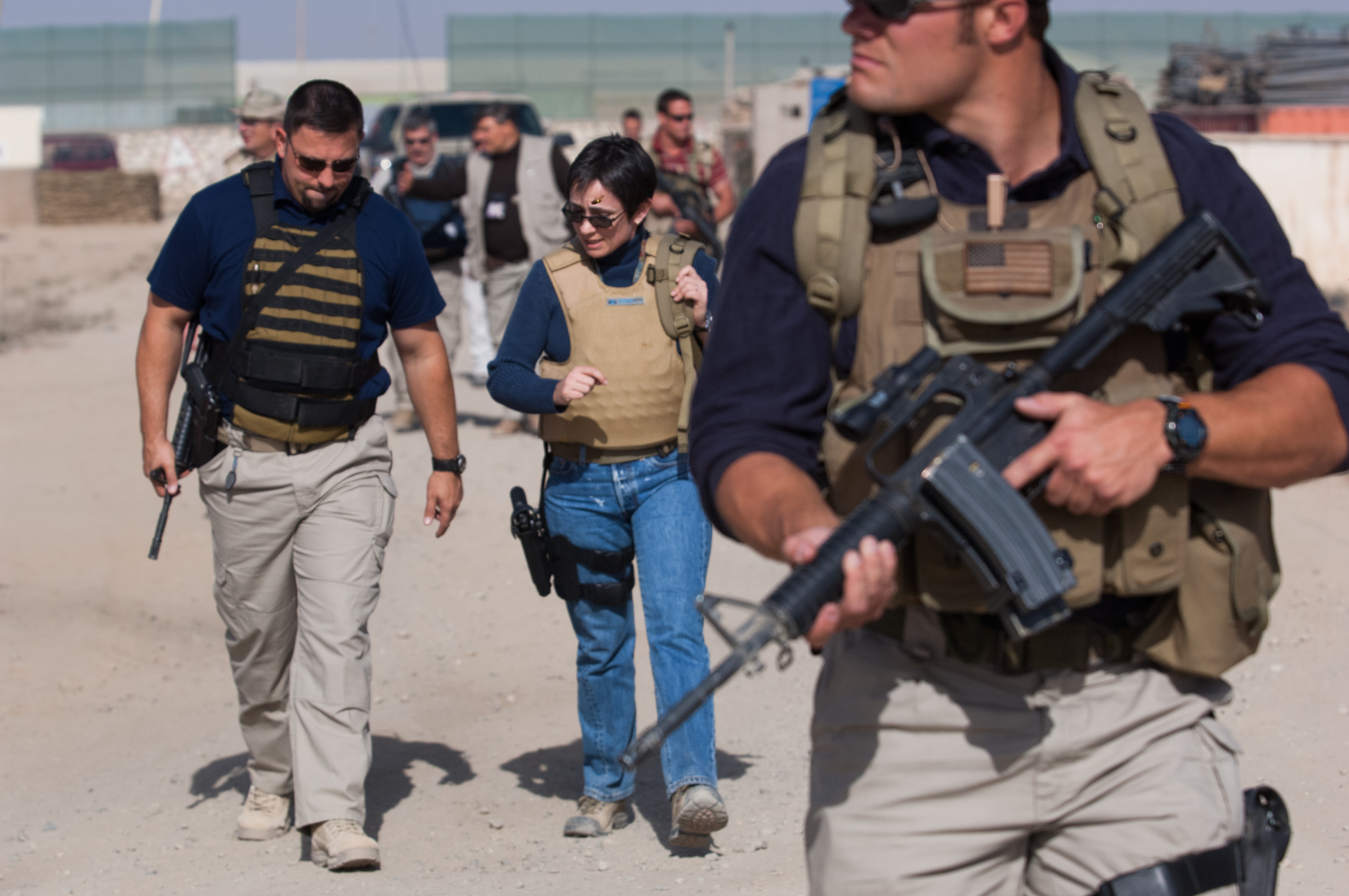
Editor’s note: This article first appeared on ProPublica, a nonprofit newsroom that investigates abuses of power. Sign up to receive their biggest stories as soon as they’re published. It was supposed to be a safety net for the workers who helped the United States fight its wars — a federal program that provided healthcare and financial support to the employees of government contractors injured or killed in Iraq and Afghanistan. Instead, a handful of America’s insurance companies have become its biggest beneficiaries. While reaping billions in government payments, they have delayed care for legitimate injuries and received reimbursements for fraudulent claims, a ProPublica investigation found. Over the past decade, American taxpayers have paid nearly $5 billion to insurers through the obscure program, which the government itself has described as “ripe for potential fraud or, at the very least, gamesmanship for profit,” according to an internal memo ProPublica obtained.
This excerpt comes from the named source. Read the original for the full reporting.
Read the original at Navy Times