Local
The Way I See It: A 244-foot train tunnel hides under Interstate 77
A Roundtable is a way to meet new people and discuss this article in person at a local coffee shop or other venue.
Roundtables are designed for groups of four, with a shared subject and room for everyone to speak. Come for discussion, with no dating expectation.
Source: The Parkersburg News and Sentinel
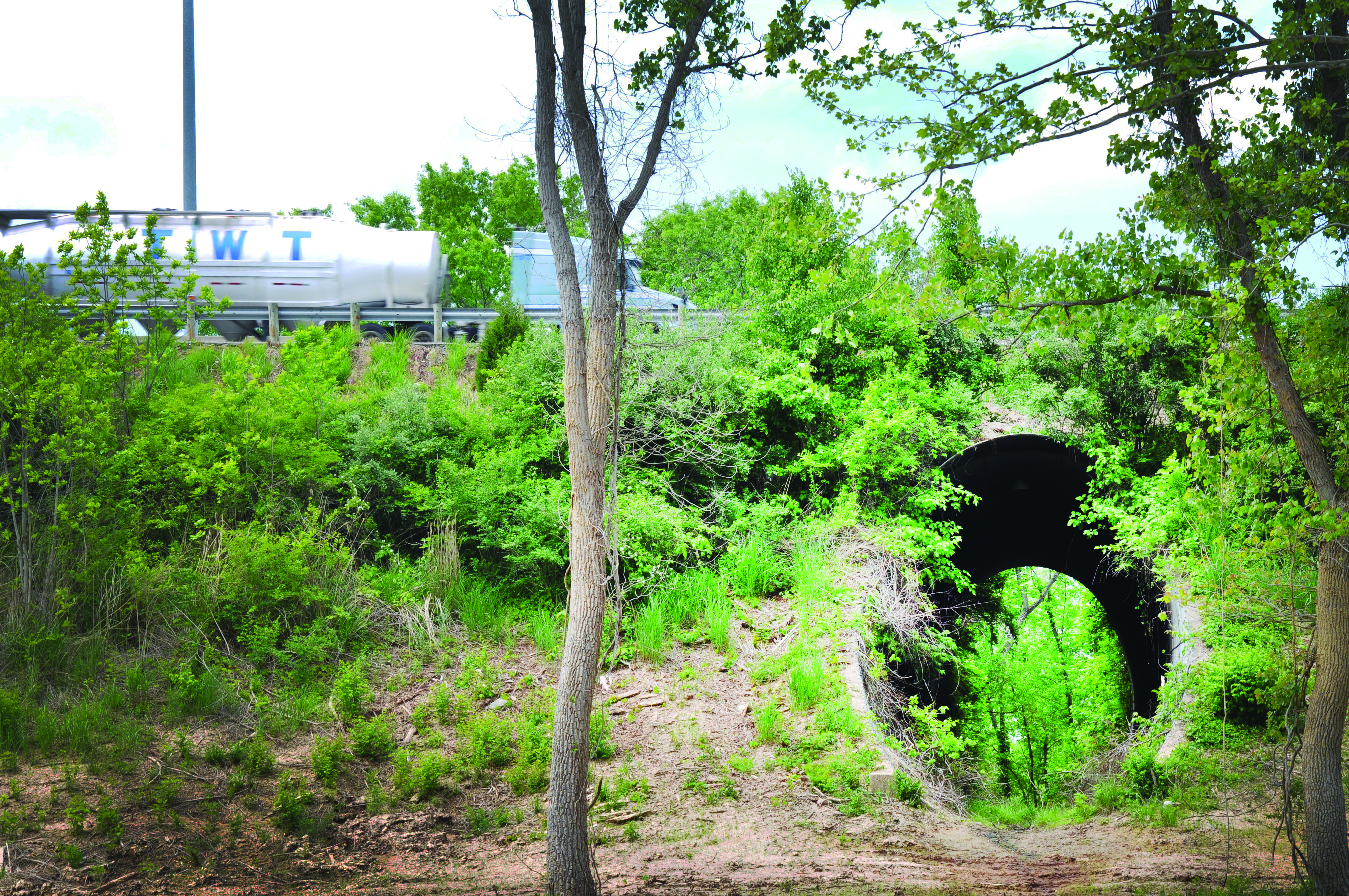
If you follow the Marietta River Trail all the way to the eastern end near Aldi, you will pass two relics of the area’s past when you travel past the Interstate 77 Bridge. The first thing you may notice is under the bridge on the end of the earthen approach to the bridge. Dozens of grindstones were used when the bridge was constructed to hold the dirt in place. Grindstones, which were used by industries all over the world, were quarried and prepared by industries west of Marietta for 125 years. When the companies shut down in the 1960s, the stones that were left were used for a variety of uses, including on the Interstate 77 bridge. After passing the bridge, the River Trail makes a left turn and heads north between Duck Creek and the interstate. Look to your left and you will see Marietta’s only railroad tunnel. For 60 years the tunnel has been hiding in the open as thousands of cars and trucks travel overhead every day.
This excerpt comes from the named source. Read the original for the full reporting.
Read the original at The Parkersburg News and Sentinel