Local
Theodore Mattis
A Roundtable is a way to meet new people and discuss this article in person at a local coffee shop or other venue.
Roundtables are designed for groups of four, with a shared subject and room for everyone to speak. Come for discussion, with no dating expectation.
Source: The Mining Journal
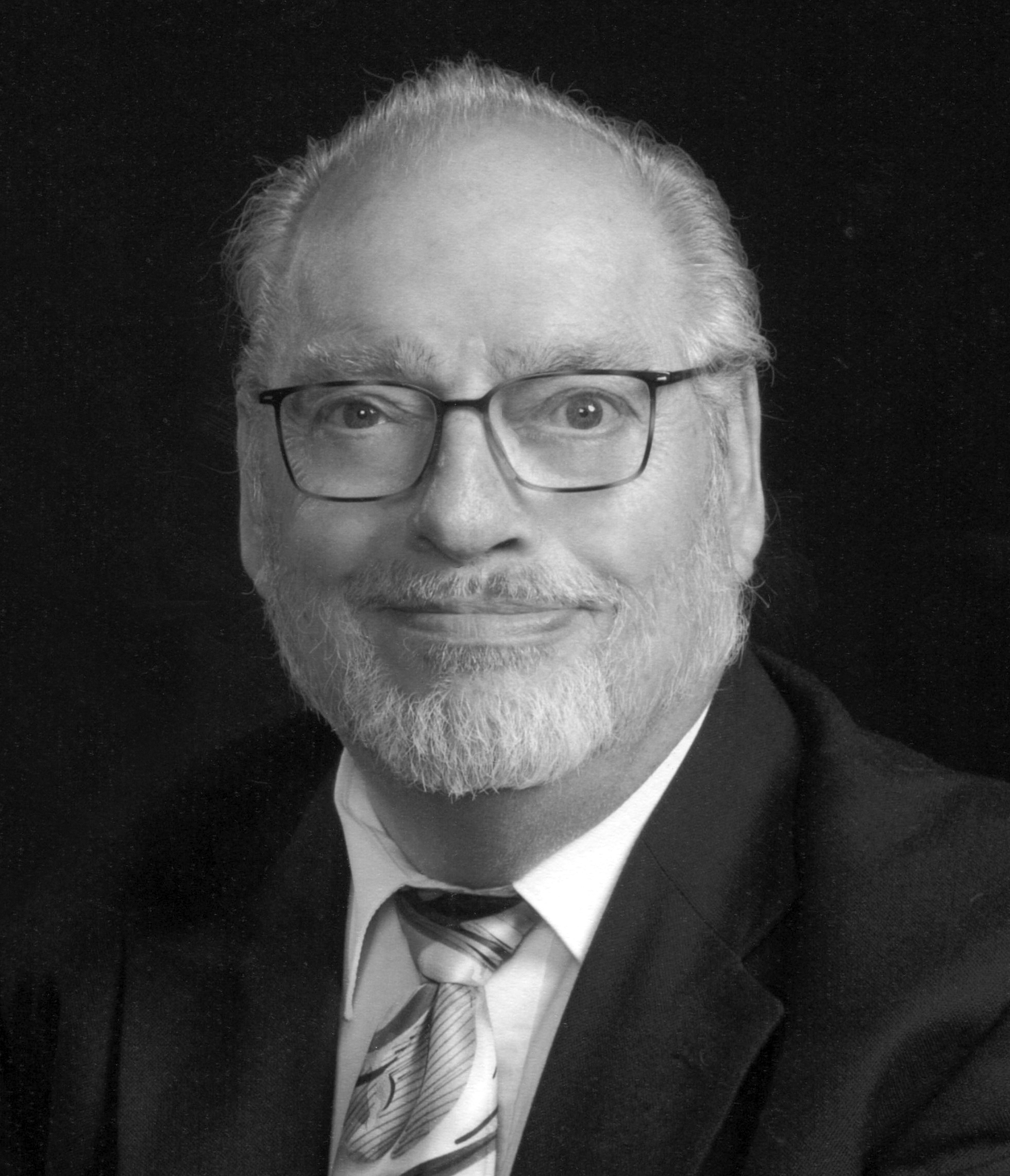
TRAVERSE CITY, MI – Theodore “Ted” Mattis, 80, passed away on November 21, 2026. Born on July 2, 1946, in Marquette, Michigan, he was the son of John and Aurora (née Wolff) Mattis. Ted was raised in Big Bay, Michigan, and graduated from Bishop Baraga High School. Ted was a devoted member of Christ the King Catholic Church, where he took great pride in his faith and involvement in the church community. He was also a longtime member of the Knights of Columbus, dedicating 35 to 40 years to the organization. Civic participation was important to Ted, and he took great pride in serving his community. He was also a member of the Sons of Union Veterans of the Civil War, reflecting his appreciation for history and heritage. In his spare time, Ted enjoyed woodworking, hunting, and ice fishing. He appreciated the satisfaction of working with his hands and the opportunity to spend time outdoors enjoying the things he loved.
This excerpt comes from the named source. Read the original for the full reporting.
Read the original at The Mining Journal
