Local
They don't need soil: 7 air plants to grow at home and decorate with a unique style
A Roundtable is a way to meet new people and discuss this article in person at a local coffee shop or other venue.
Roundtables are designed for groups of four, with a shared subject and room for everyone to speak. Come for discussion, with no dating expectation.
Source: Meteored United States
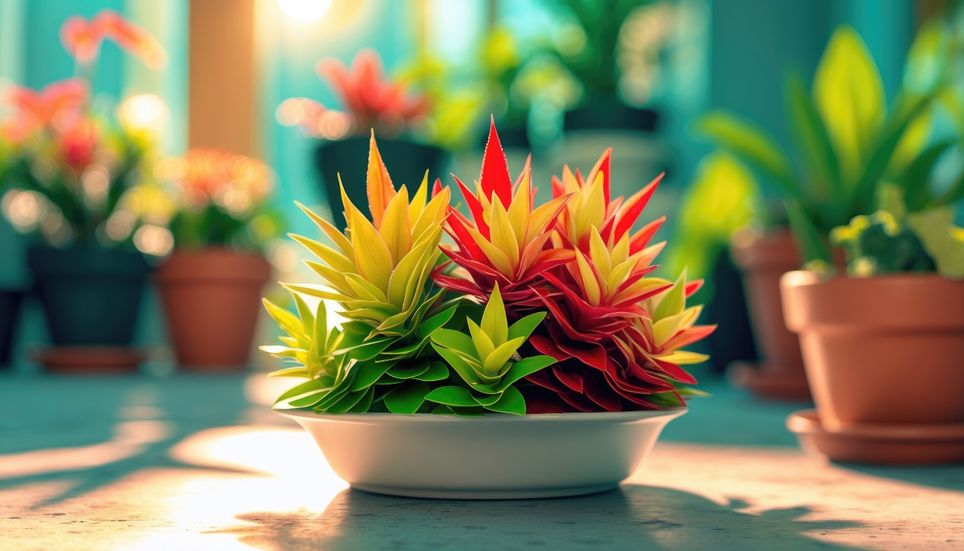
Able to grow without pots or soil, these plants can be displayed on rocks, logs, or in open containers to add greenery in a unique way. Here's how they grow, what care they need, and 7 varieties that stand out for their shapes and colors. A plant that grows without soil, rests on a rock, and seems to float in the air? As strange as it sounds, such plants exist. Tillandsias are attracting growing interest among people looking to add greenery to their living spaces in an original way. They belong to the bromeliad family, the same family as pineapples. The genus includes more than 600 species native to the Americas, found in habitats ranging from tropical rainforests to dry and mountainous regions. Because many are epiphytes, they naturally attach themselves to branches or rocks without developing roots underground. That is why they are called air plants.
This excerpt comes from the named source. Read the original for the full reporting.
Read the original at Meteored United States



