Local
This Was Brainerd - Nov. 28
A Roundtable is a way to meet new people and discuss this article in person at a local coffee shop or other venue.
Roundtables are designed for groups of four, with a shared subject and room for everyone to speak. Come for discussion, with no dating expectation.
Source: Brainerd Dispatch
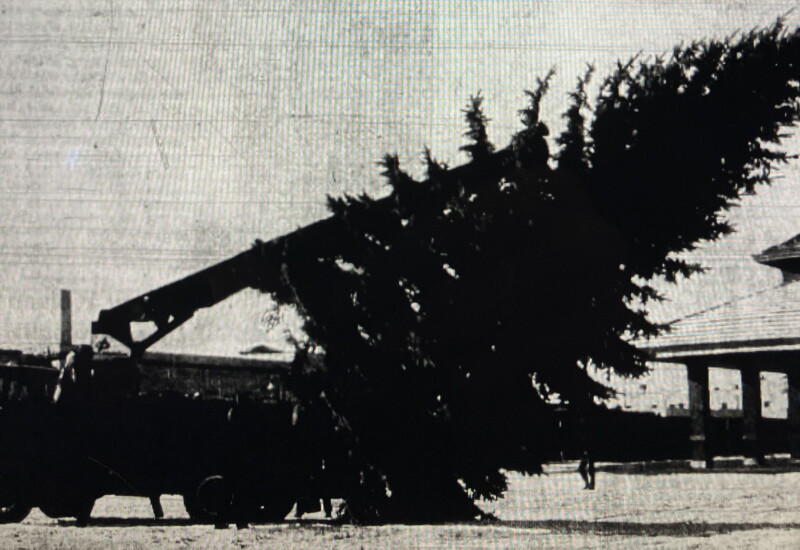
NOVEMBER 28 20 years ago (2006) A split vote at the county board denied recommending a 2,650-acre conservation area for red-shouldered hawks. The hawk is of special concern in Minnesota. But, when commissioner Dewey Tautges heard there were 40 pairs in Camp Ripley, he said if they could handle that noise they can live anywhere. 30 years ago (1996) Soprano Peggy Kriha Dye has received a $5,000 Liberace Foundation scholarship to the San Francisco Opera Center. Kriha Dye, a 1987 BHS graduate, made her debut in San Francisco’s opera “La Boheme,” singing the role of Musetta in 24 performances. 40 years ago (1986) Garrison violin maker Arnold Anderson crafted twin violins with Italian spruce tops and Yugoslavian maple bodies. He and Grant Wilcox will use them to play the Vivaldi Double Violin Concerto at the Heartland Symphony concert on Dec. 7 in Brainerd. 60 years ago (1966) (Photo) This photo shows that the Christmas season has definitely arrived.
This excerpt comes from the named source. Read the original for the full reporting.
Read the original at Brainerd Dispatch


