Local
Three major ideas in the ambitious 40-year plan for Spokane’s University District
A Roundtable is a way to meet new people and discuss this article in person at a local coffee shop or other venue.
Roundtables are designed for groups of four, with a shared subject and room for everyone to speak. Come for discussion, with no dating expectation.
Source: inlander.com
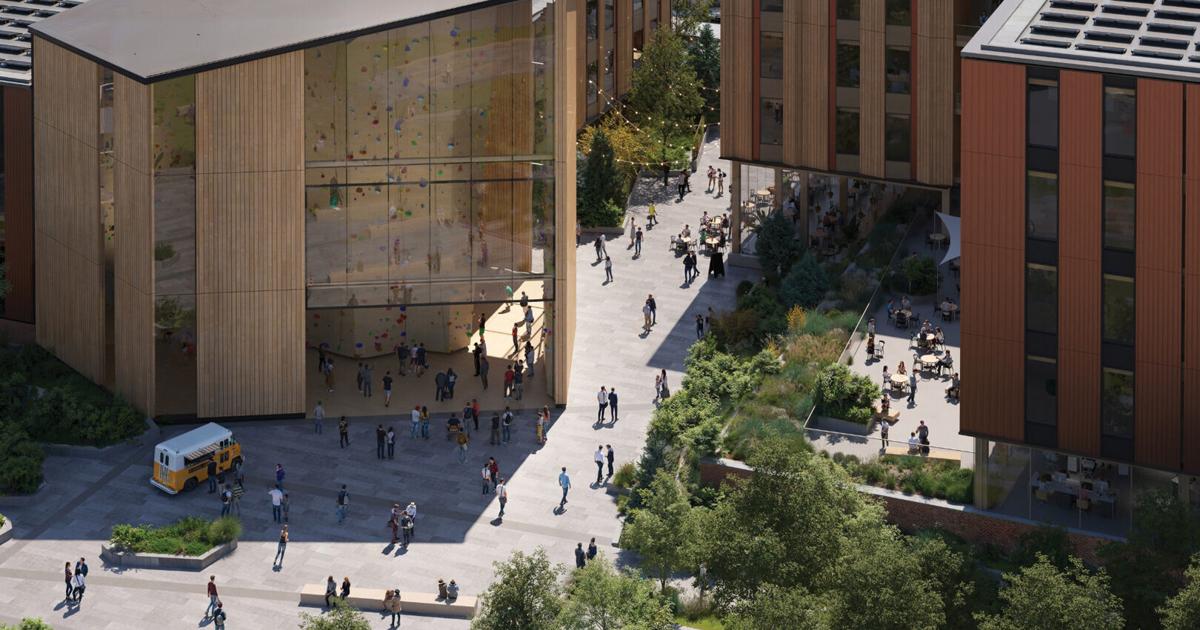
A fair number of us might be hard pressed to say what we hope to be doing next month, let alone a decade from now, but Spokane’s University District has been busy looking ahead 40 years into its future.The district’s long-term visioning document, which sports the unpretentious title “Next Generation Conceptual Plan 2065,” outlines the priorities, opportunities and projects that could guide development of the roughly 770-acre stretch of land to the east of the city center over the next four decades.Although the plan was completed and published nearly two years ago, it recently picked up two awards from statewide organizations, in part because of the way it integrates housing, utilities, transportation and other core planning components with quality-of-life enhancements like services, entertainment, green spaces and job creation.
This excerpt comes from the named source. Read the original for the full reporting.
Read the original at inlander.com