Local
TikToker Recounts Troubling Experience With Therapist Whose Behavior Left Her Questioning the Care She Was Receiving During Sessions
A Roundtable is a way to meet new people and discuss this article in person at a local coffee shop or other venue.
Roundtables are designed for groups of four, with a shared subject and room for everyone to speak. Come for discussion, with no dating expectation.
Source: The Daily Dot
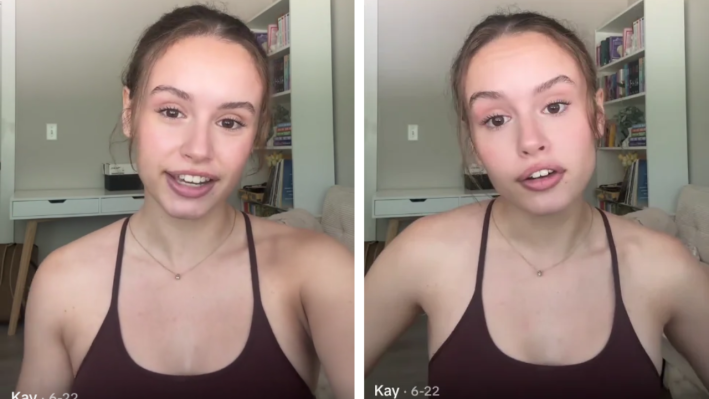
TikTok user @kay73322 shared a video recounting what she described as a troubling experience with a therapist who she says was careless, unprofessional, and seemingly unconcerned with her well-being. Kay claimed that reporting the therapist eventually led to her being fired and losing her professional license. At the time of publication, the video had received 3.1 million views and 6,545 comments. The creator, who goes by Kay, began the video by looking into the camera and saying with a chuckle, “It’s officially been over a year since I got my therapist fired and she lost her license.” She went on to explain that, a year earlier, she had been severely depressed and had finished her supply of depression medication. That’s when she realized she needed therapy. After weeks of searching, Kay finally found a therapist with whom she initially felt safe. She said the therapist had a casual approach that made it easier for her to open up.
This excerpt comes from the named source. Read the original for the full reporting.
Read the original at The Daily Dot


