Local
To AI or not to AI?
A Roundtable is a way to meet new people and discuss this article in person at a local coffee shop or other venue.
Roundtables are designed for groups of four, with a shared subject and room for everyone to speak. Come for discussion, with no dating expectation.
Source: University of Tulsa Collegian
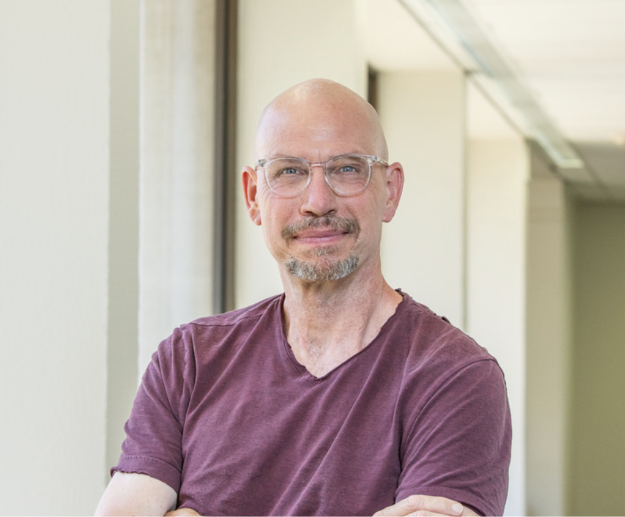
What TU professors have to say about the use of artificial intelligence in the classroom. For college students, even those living under a rock, nearly all have heard of and probably use ChatGPT, Claude AI or some other large language model. Why not? The instant completion of the assignment that takes hours to complete sits one click away. As Dr. Mark Brewin, the chair of film and media studies at the University of Tulsa, voiced, “We live in a world where we are rushing all the time, right? And we’ve got a lot of pressures on us, and so there’s a tendency to cut corners, and if you allow it to, it will certainly provide you with that opportunity to cut corners.” According to a 2025 AI in Education Trends Report conducted by Copyleaks, a company that provides AI detection, nearly 90% of students have used AI for academic purposes and a staggering 29% use it on a daily basis. This dependence on AI has a worrying effect on its student users. Dr.
This excerpt comes from the named source. Read the original for the full reporting.
Read the original at University of Tulsa Collegian