Local
To Understand the Muslim Brotherhood, Study Sudan
Meet in Common connects news with real conversations. Use ThinkMatch to arrange a Roundtable and meet people to discuss this story.
Roundtables are designed for groups of four, with a shared subject and room for everyone to speak. Come for discussion, with no dating expectation.
Source: Fair Observer
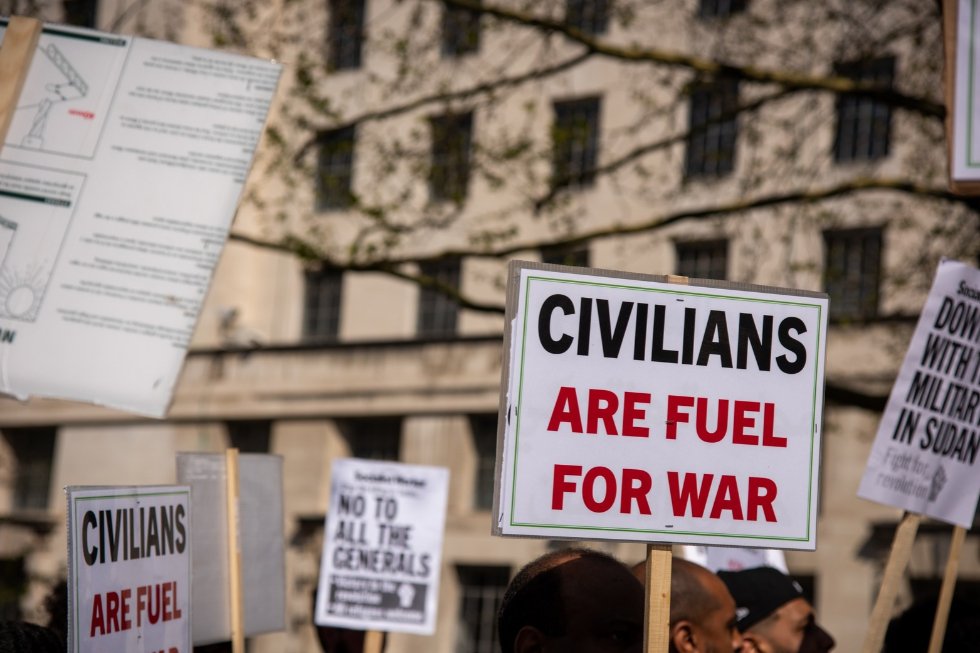
On June 30, 1989, the radio in our home played military marches. I was ten and understood nothing. A brigadier named Omar al-Bashir had seized power on behalf of Leader Hassan al-Turabi’s Islamist movement, the Sudanese branch of the Muslim Brotherhood. For the first time since its founding in 1928, the Brotherhood held an entire state. Few outside Sudan noticed. The country seemed too peripheral to matter. Whatever happened in Khartoum, the thinking went, would stay in Khartoum. Within a decade, the West would pay for that assumption. Only in Sudan could the organization govern a full country, with an army, a treasury and a seat at the United Nations, for three decades. Anyone who wants to know what life under the Muslim Brotherhood (Kizan) looks like should study Sudan. What 30 years looked like from inside The first thing the new regime did was not pray; it was purge. Within a year, 28 army officers were executed after a show trial during Ramadan.
This excerpt comes from the named source. Read the original for the full reporting.
Read the original at Fair Observer