Local
To Wyoming, with thanks
A Roundtable is a way to meet new people and discuss this article in person at a local coffee shop or other venue.
Roundtables are designed for groups of four, with a shared subject and room for everyone to speak. Come for discussion, with no dating expectation.
Source: WyoFile
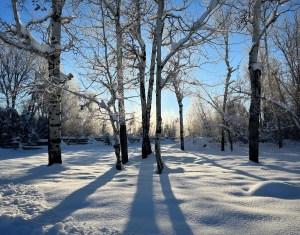
Opinion I’ve always loved this time of year. The sun’s gone low in the south now, and that soft golden light in the late afternoon covers the slopes of Sheep Mountain like a warm blanket. The aspens are stark naked, and the wind whistles through them in tones like a red cedar flute. The horses are barefoot and a little shaggy. Hunting seasons are winding down, and unless you’re a hardcore brown trout angler, the fishing is moving into winter mode. Maybe this year there will be ice on the flat water and we can sit in a warm little ice fishing hut for hours and solve most of the world’s problems. It’s a good time for a little reflection. Seven decades and more into this life, my reflections sometimes turn to regret. But there will be more than enough time for that later. Now it’s time to remember and be grateful for the joys. Even in this time, and in these United States, there is so much joy to be celebrated.
This excerpt comes from the named source. Read the original for the full reporting.
Read the original at WyoFile


