Local
Too Afraid To Tax The Rich, More Democrats Are Taxing The Poor’s Losses
A Roundtable is a way to meet new people and discuss this article in person at a local coffee shop or other venue.
Roundtables are designed for groups of four, with a shared subject and room for everyone to speak. Come for discussion, with no dating expectation.
Source: Black Star News
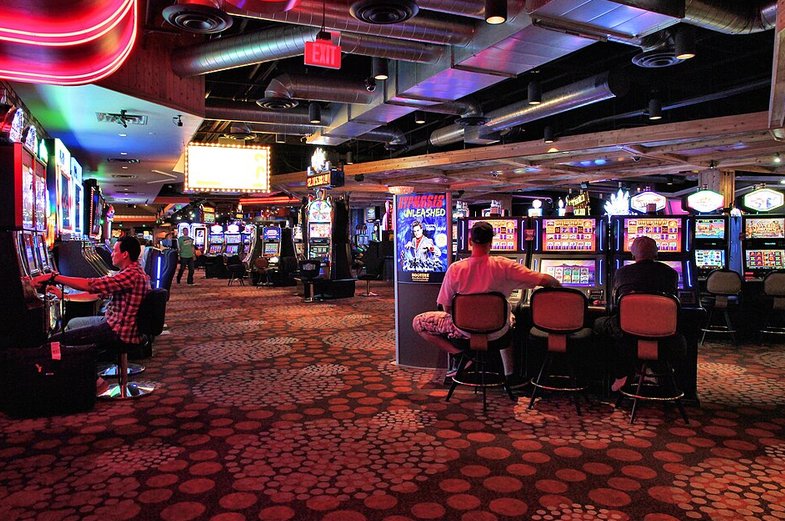
Afraid or unwilling to tax the gains of the rich, politicians are making it easier for working people to lose what they have. Then they’re taxing that. Online casinos are the newest example. Slots and blackjack on every phone, around the clock. Eight states have legalized them. Now Washington, D.C., may be next. On November 18, a D.C. Council committee advanced online casinos 3–1, projecting $73 million over four years. Three Democrats voted yes. The only no came from independent Councilwoman Christina Henderson. “I don’t think we can build our revenue on the backs of people’s addictions,” she said. It took an independent to say it. The Council’s racial equity office warned that online casinos could harm Black residents and other residents of color who gamble. More than nine out of ten Washingtonians living in poverty are people of color. Poor White families face that danger, too.
This excerpt comes from the named source. Read the original for the full reporting.
Read the original at Black Star News