Local
Trade Blocs Explained: Unions, Agreements, and Single Markets
Meet in Common connects news with real conversations. Use ThinkMatch to arrange a Roundtable and meet people to discuss this story.
Source: Reliable News
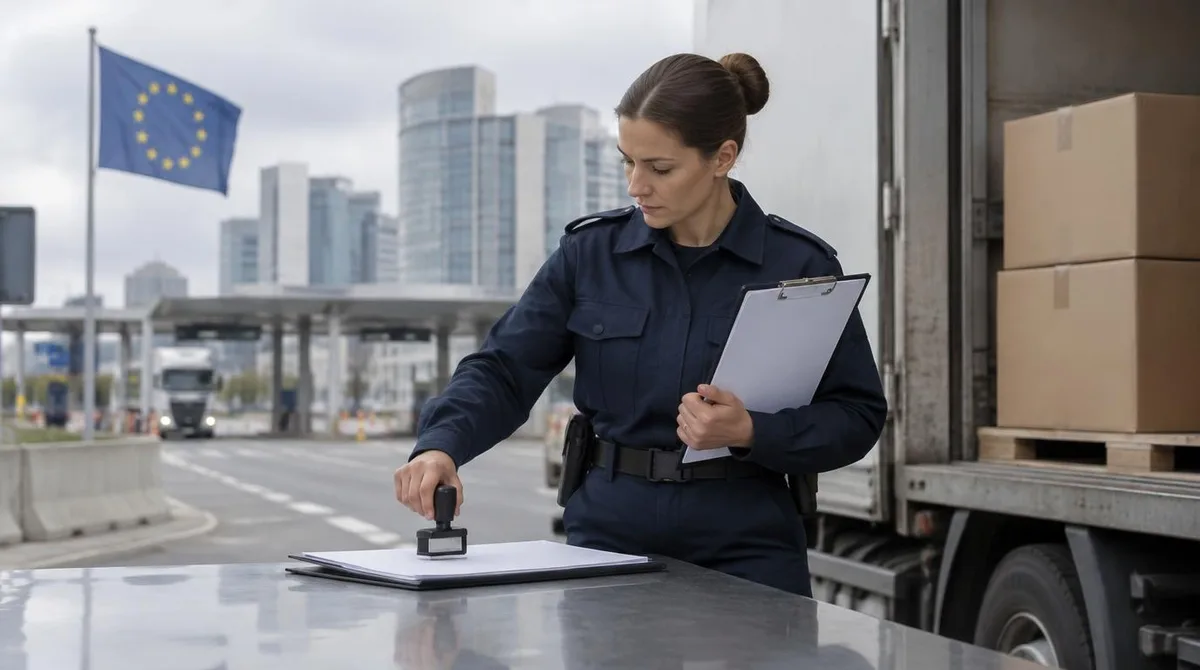
A trade bloc is a group of countries that agree to trade with each other on easier terms than they offer the rest of the world. The promise is simple: fewer tariffs, fewer border delays, more business between members. What the bloc actually delivers depends on which of three forms it takes — a free trade area, a customs union, or a political union. The difference matters more than it first appears. It decides who sets tariffs, whether goods can pass through a member country without checks, and how much national control members give up. Trade itself is old — Wikipedia's entry on trade traces exchange networks back tens of thousands of years, from obsidian moving across the Mediterranean to the Silk Road — but formal blocs are a modern way of organizing it. This guide walks through each type, what members gain, and what they hand over. What is a trade bloc, exactly? A trade bloc is a formal agreement between countries to lower trade barriers among themselves.
This excerpt comes from the named source. Read the original for the full reporting.
Read the original at Reliable News