Local
Trade fear for trust in Jesus Christ, Steve Young tells BYU–Idaho students
A Roundtable is a way to meet new people and discuss this article in person at a local coffee shop or other venue.
Roundtables are designed for groups of four, with a shared subject and room for everyone to speak. Come for discussion, with no dating expectation.
Source: Church News
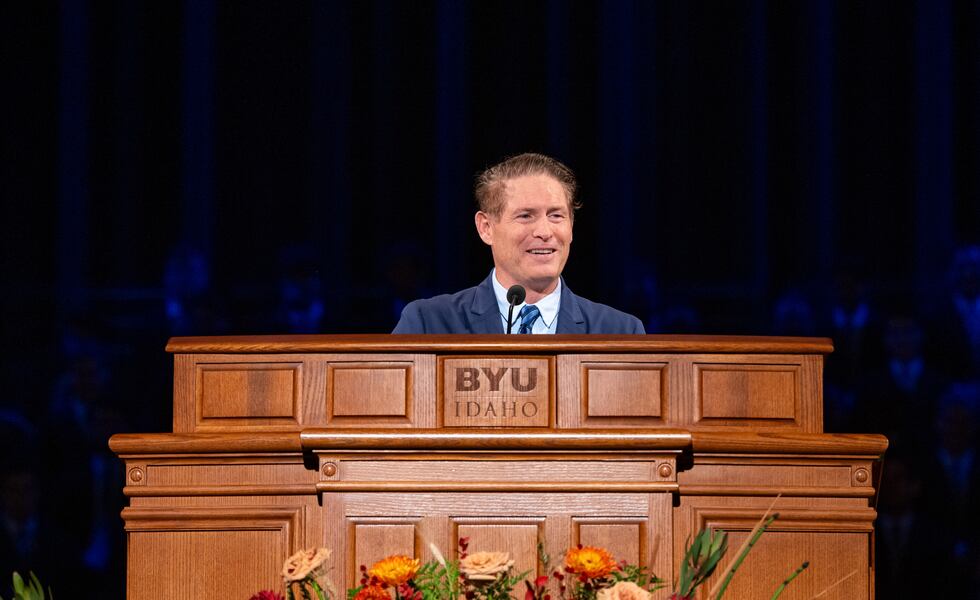
Former NFL and BYU quarterback and Latter-day Saint Steve Young had long challenged transactional approaches to faith when he recognized the same thinking in himself: he believed worrying enough could protect him and those he loved. Young had warned against treating God like a vending machine — offering obedience and expecting a particular blessing in return. Yet his worry reflected a similar attempt to guarantee outcomes. “The deepest transaction in my life was fear,” he told BYU–Idaho students. “And I had been living in it the whole time I was preaching against it.” Speaking at BYU–Idaho’s weekly devotional on Tuesday, Nov. 17, in Rexburg, Idaho, Young invited listeners to distinguish caring from trying to control outcomes and to trust in the peace offered by Jesus Christ. “Can you love someone fiercely without believing your anxiety is what keeps them afloat? Can you face a hard season fully engaged, without the hidden belief that your worry earns God’s help?” Young said.
This excerpt comes from the named source. Read the original for the full reporting.
Read the original at Church News