Local
Trains, Traffic and Trucks: Colorado mountain mayors reflect on the opportunities and challenges of living on I-70
A Roundtable is a way to meet new people and discuss this article in person at a local coffee shop or other venue.
Roundtables are designed for groups of four, with a shared subject and room for everyone to speak. Come for discussion, with no dating expectation.
Source: Summit Daily News
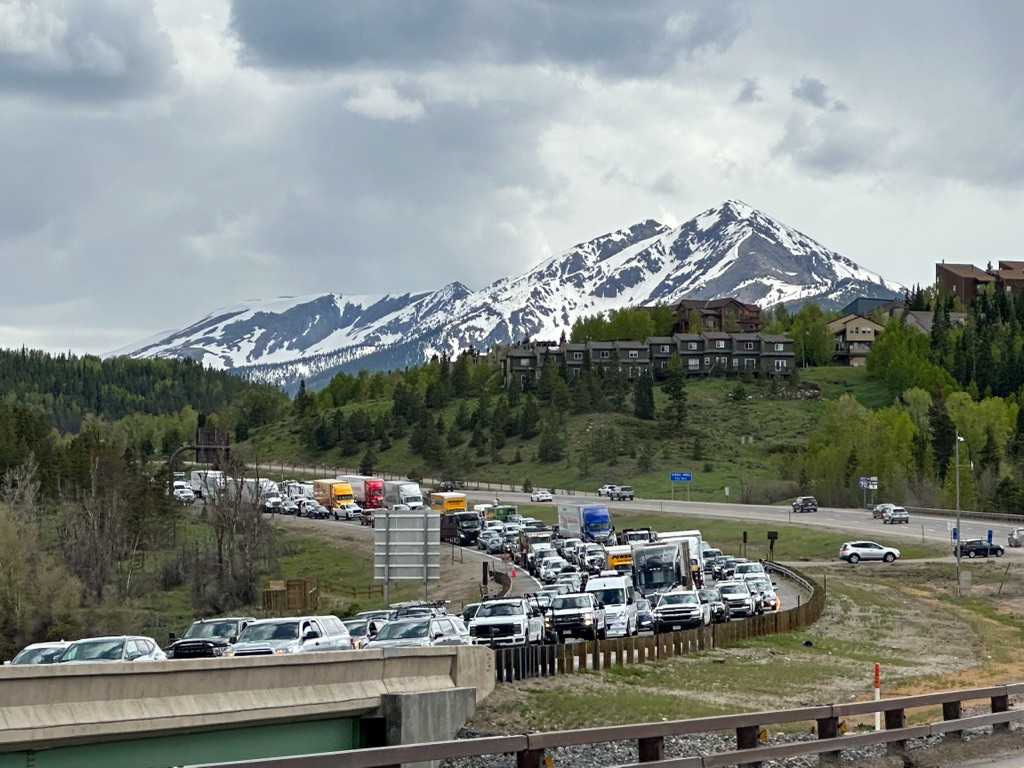
Interstate 70 is a lifeline — and sometimes a punchline — for Colorado mountain communities. The critical east-to-west corridor cuts through the heart of the Rocky Mountains, crossing under the Continental Divide at the Eisenhower-Johnson Memorial Tunnels, summiting Vail Pass at 10,662 feet and winding through Glenwood Canyon. It serves as the gateway to Colorado’s ski resorts and mountain towns as well as an important transcontinental shipping route. But it also navigates steep, winding roads that often experience severe winter weather and is notorious for ski traffic, congestion and closures that can back up the interstate for hours, especially during snowstorms. “Locals have a lot of jokes — and one of them is you don’t book a flight out of (Denver International Airport) on a Sunday afternoon because you never know what getting down to Denver will look like,” Vail Mayor Barry Davis said.
This excerpt comes from the named source. Read the original for the full reporting.
Read the original at Summit Daily News