Local
Troy University student killed during overnight shooting identified - TrojanVision
A Roundtable is a way to meet new people and discuss this article in person at a local coffee shop or other venue.
Roundtables are designed for groups of four, with a shared subject and room for everyone to speak. Come for discussion, with no dating expectation.
Source: Troy University
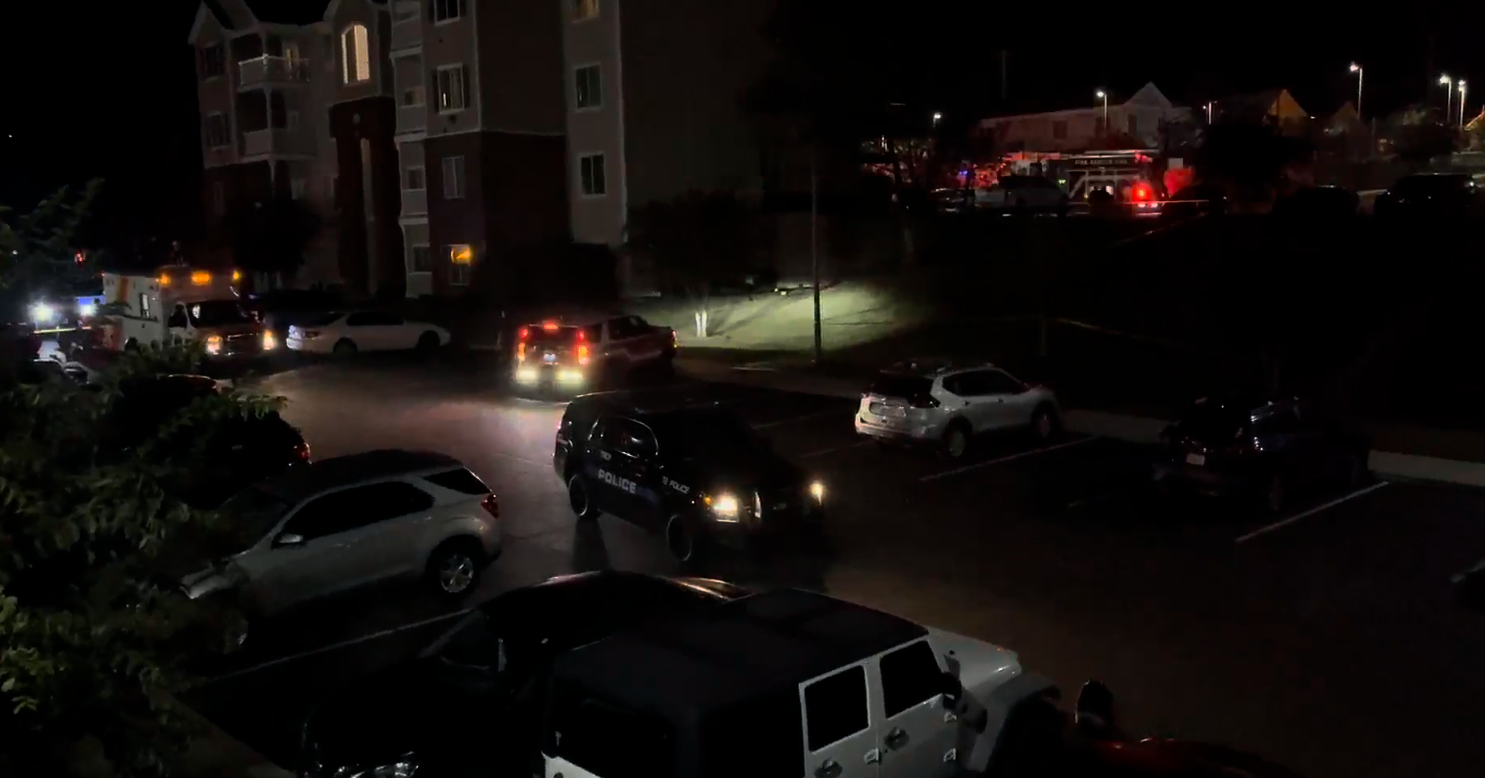
Editor’s Note: An updated article has been posted involving this story. You can find that update here. UPDATE 12:30 P.M. — The victim has been identified as 21-year-old Carlique Miller. Multiple agencies are now involved in the investigation including the Troy University Police Department, the Pike County Sheriff’s Office, the Pike County Coroner’s Office and the District Attorney’s Office. Anyone with information is urged to contact Troy Police at (334) 566-0500, CrimeStoppers at 215-STOP (7867) or [email protected]. UPDATE 10:59 a.m. — Troy University has confirmed the victim involved in an overnight shooting was a student. In a press release from the University, Senior Director of Communications Matt Clower confirmed the student was a 21-year-old from Dothan. “The University community is deeply saddened by the loss of one of our students,” the press release stated. “We extend our heartfelt condolences to the student’s family and friends as they grieve.
This excerpt comes from the named source. Read the original for the full reporting.
Read the original at Troy University


