Local
‘Truly Black & Catholic’ Brings Black Catholic Stories to the Screen
A Roundtable is a way to meet new people and discuss this article in person at a local coffee shop or other venue.
Roundtables are designed for groups of four, with a shared subject and room for everyone to speak. Come for discussion, with no dating expectation.
Source: The Tablet
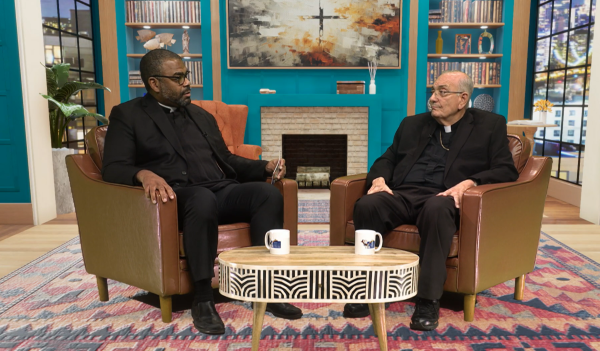
PROSPECT HEIGHTS — Father Alonzo Cox has encountered the misconception firsthand. A few years ago, while returning home from a conference in Atlanta, the pastor of St. Martin de Porres Parish was waiting for his flight, dressed in his clerical collar, when a man approached him and asked which denomination he was from. “I said, ‘I’m Catholic. I’m a Roman Catholic priest,’ ” Father Cox recalled. “And he says, ‘Oh my goodness, I didn’t know black and Catholic went together.’ ” It’s a misconception Father Cox is now helping dispel as the host of “Truly Black & Catholic,” a monthly NET-TV program that highlights the history, culture, faith, and contributions of Black Catholics in the Diocese of Brooklyn and beyond. The program premiered in June 2026 after the production team at DeSales Media Group began exploring ways to highlight the diocese’s various apostolates.
This excerpt comes from the named source. Read the original for the full reporting.
Read the original at The Tablet


