Local
Trump’s Secret Plans to Overhaul the Smithsonian Exposed After White House Staffer’s Careless Move on a Train
A Roundtable is a way to meet new people and discuss this article in person at a local coffee shop or other venue.
Roundtables are designed for groups of four, with a shared subject and room for everyone to speak. Come for discussion, with no dating expectation.
Source: Atlanta Black Star
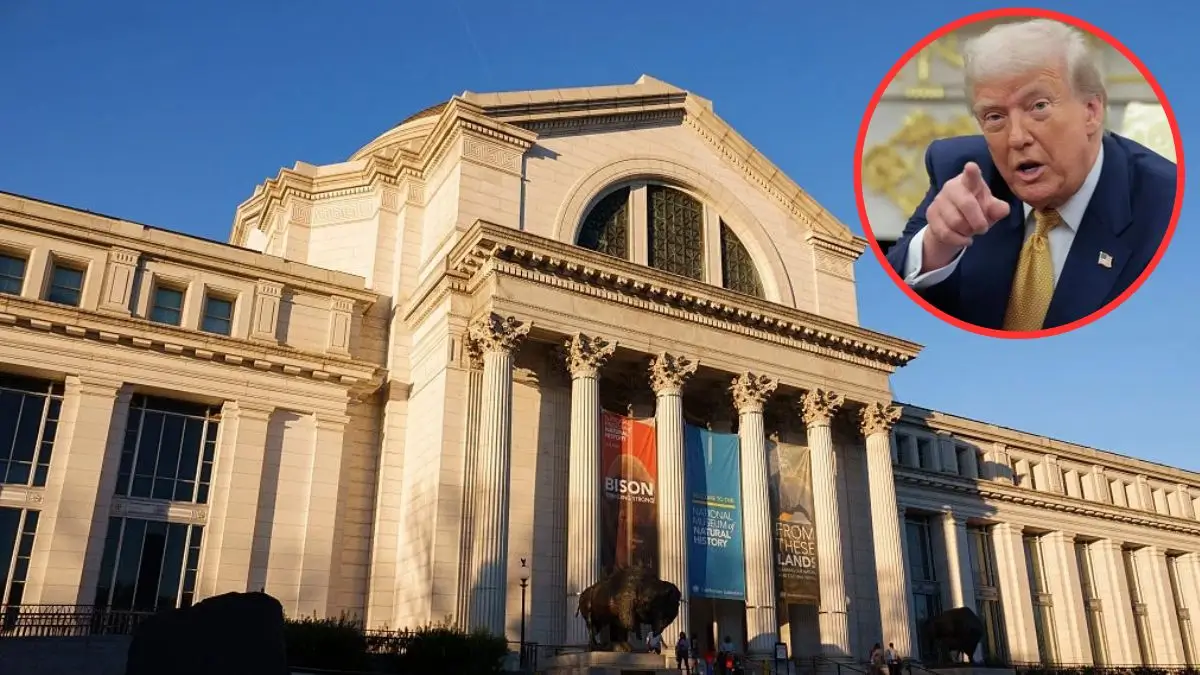
Donald Trump has made it clear that America’s most recognizable institutions are not beyond his reach. The president has taken a growing interest in shaping how the nation presents, celebrates, and sometimes rewrites its history. Now, an apparent slip-up by someone working inside his administration has raised fresh questions about just how far the president intends to go. Trump’s secret plans to overhaul the Smithsonian have come to light after a White House staffer’s careless move on a train exposed the details. An ordinary commuter reportedly got an unexpected look at what the White House may have planned next. According to a Nov. 23 ProPublica investigation, a White House staffer was spotted aboard Washington, D.C.’s Orange Line Metro train. The staffer was working on a document titled “Smithsonian Institution Renewal Plan.” A fellow passenger photographed the laptop screen and sent the images to the investigative newsroom.
This excerpt comes from the named source. Read the original for the full reporting.
Read the original at Atlanta Black Star

