Local
Trump’s Surprise Pardon of Pete Rose Exposes the Limits of His Power Over Baseball’s Biggest Honor
A Roundtable is a way to meet new people and discuss this article in person at a local coffee shop or other venue.
Roundtables are designed for groups of four, with a shared subject and room for everyone to speak. Come for discussion, with no dating expectation.
Source: Atlanta Black Star
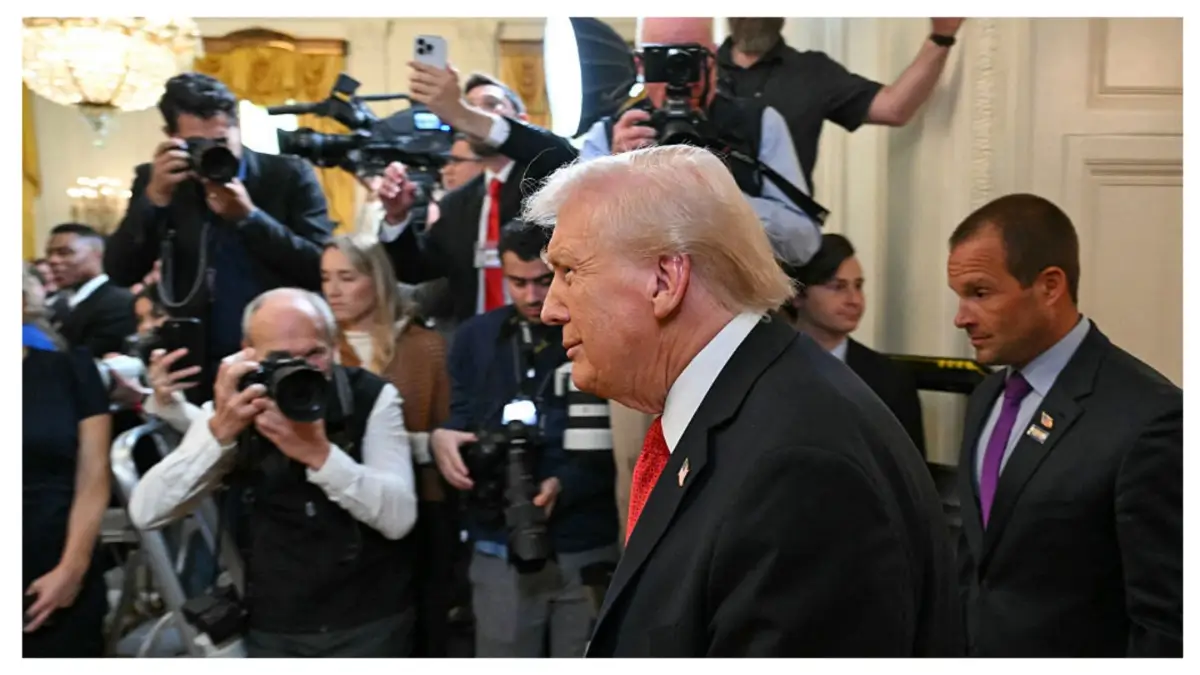
Donald Trump has found another sports legend he believes deserves a second chance. The only problem is that the man has been dead for two years, and the president’s latest act of forgiveness cannot deliver the one honor he really wants for him. The president has spent years defending athletes whose careers were overshadowed by scandal. Now, he is using the power of the White House to settle an old baseball score. His latest move has critics questioning his priorities and wondering why he is so invested in rewriting sports history. On Thursday, Nov. 19, Trump announced a posthumous pardon for Pete Rose, Major League Baseball’s all-time hits leader over 24 seasons from 1963 to 1986, mostly with the Cincinnati Reds. Rose died in September 2024 at age 83. “I have just given a Complete and Total Pardon to the Late, Great Pete Rose,” Trump declared on Truth Social. He praised the 17-time All-Star’s 4,256 career hits but mistakenly claimed the record was achieved in one season.
This excerpt comes from the named source. Read the original for the full reporting.
Read the original at Atlanta Black Star


