Local
Tu randkowała powojenna Warszawa – kino „Tęcza”
A Roundtable is a way to meet new people and discuss this article in person at a local coffee shop or other venue.
Roundtables are designed for groups of four, with a shared subject and room for everyone to speak. Come for discussion, with no dating expectation.
Source: Nowy Dziennik – Polish Daily News
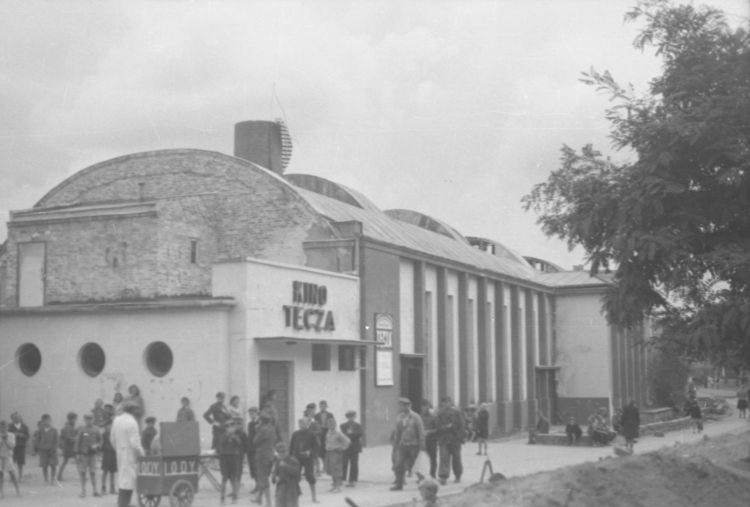
Działalność kina Tęcza rozpoczęła się półtora miesiąca po zakończeniu II wojny światowej i pół roku po wyzwoleniu Warszawy. To tu bawiły się wówczas dzieci na porankach, a dorośli przychodzili na randki. Historia kina Tęcza ma ponad 90 lat. Budynek przy ulicy Suzina na warszawskim Żoliborzu powstał w 1929 r. jako kotłownia centralnego ogrzewania powstającego tam osiedla Warszawskiej Spółdzielni Mieszkaniowej. Ostatecznie mieszkania zaczęły być ogrzewane w inny sposób, a w 1933 r. w budynku kotłowni spółdzielcy urządzili salę teatralną. Rok później oprócz spektakli odbywały się tam również regularne seanse filmowe, przeznaczone głównie dla społeczności lokalnej Żoliborza. W czasie okupacji kino Tęcza nazwane zostało kinem Świat.
This excerpt comes from the named source. Read the original for the full reporting.
Read the original at Nowy Dziennik – Polish Daily News