Local
Tupac’s Lost One Nation Album: Inside the Sessions That Tried to Unite Hip-Hop
A Roundtable is a way to meet new people and discuss this article in person at a local coffee shop or other venue.
Roundtables are designed for groups of four, with a shared subject and room for everyone to speak. Come for discussion, with no dating expectation.
Source: Raptology
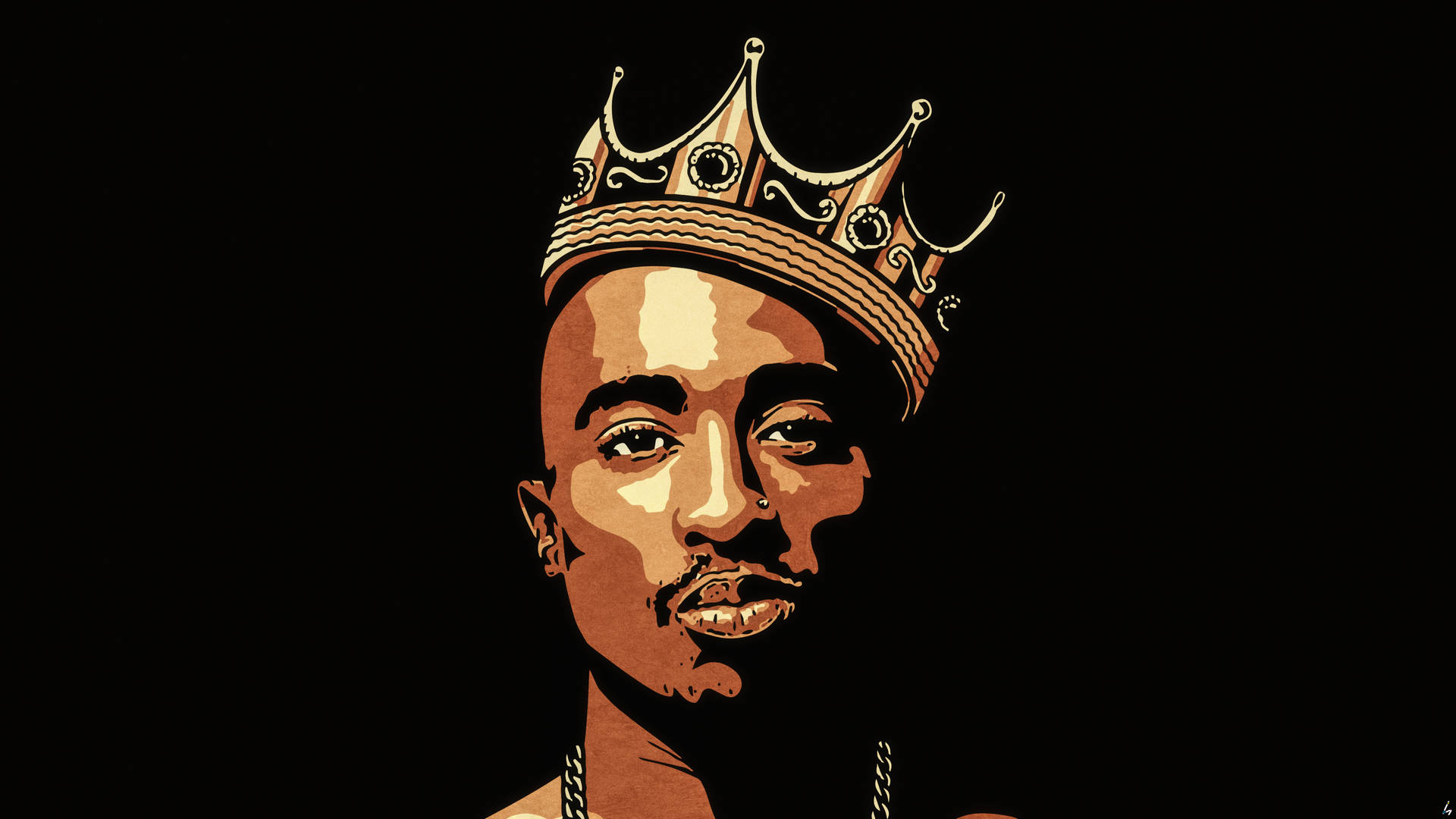
In 1996, when East Coast and West Coast tensions dominated hip-hop headlines, Tupac Shakur was working on a different kind of record: a project called One Nation designed around collaborations across the regional divide. Studio footage and interviews confirm that the sessions were real. The album that fans imagine, however, is harder to reconstruct. What was recorded, who actually participated and why did the original project never arrive as Tupac envisioned? This Raptology investigation separates the documented sessions from the mythology that followed. A lost project in rap’s most divided year In 1996, the conflict between the East Coast and West Coast had become one of hip-hop’s dominant public narratives. Record sales, radio battles, personal disputes and inflammatory coverage all fed the perception that regional identity required loyalty to one side. Tupac Shakur occupied the center of that storm.
This excerpt comes from the named source. Read the original for the full reporting.
Read the original at Raptology