Local
Tutor Perini Snags $60M Contract
A Roundtable is a way to meet new people and discuss this article in person at a local coffee shop or other venue.
Roundtables are designed for groups of four, with a shared subject and room for everyone to speak. Come for discussion, with no dating expectation.
Source: Los Angeles Business Journal
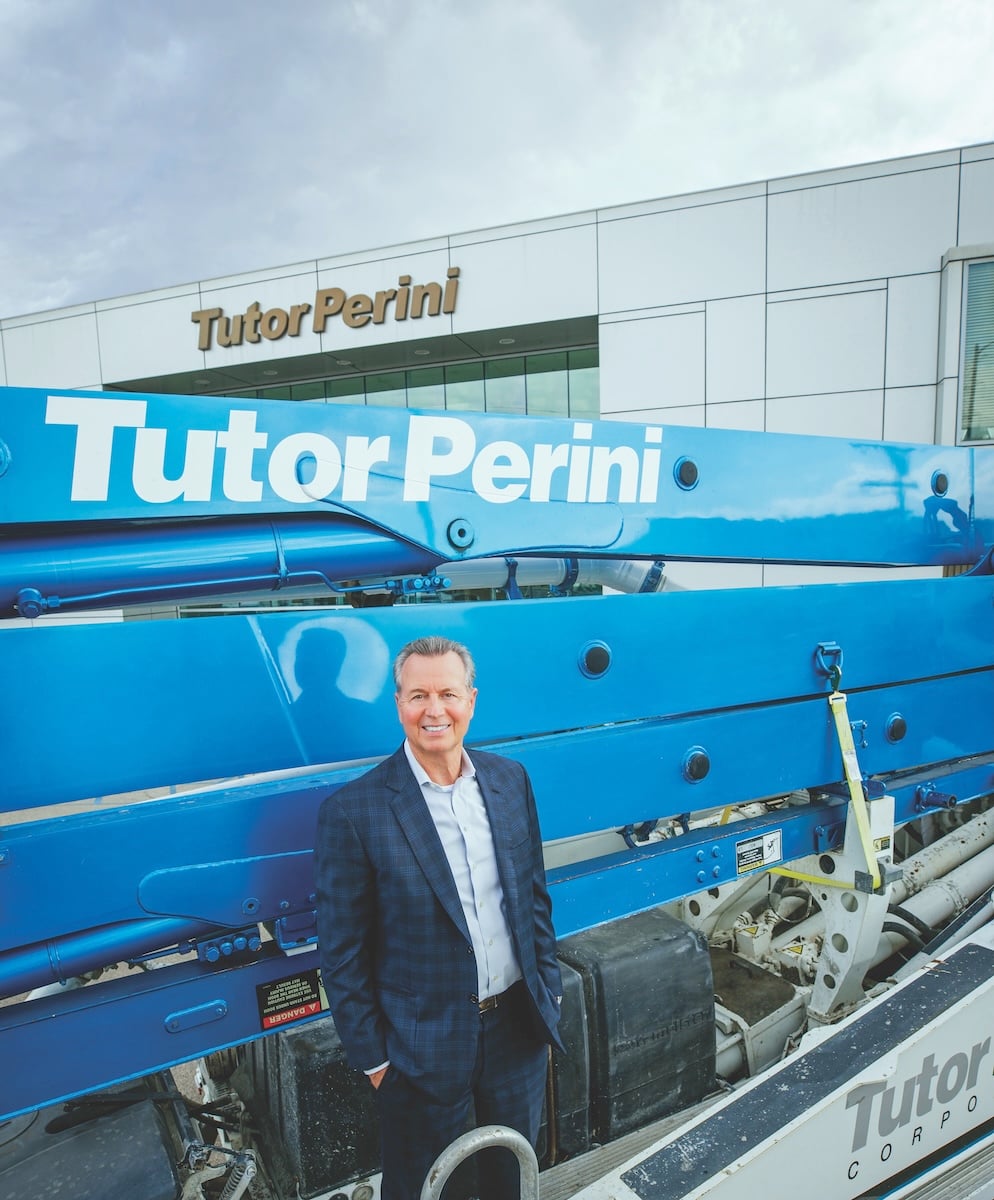
Sylmar-based civil construction contractor Tutor Perini Corp. has announced another major U.S. Coast Guard contract. The $60 million contract was awarded to the company’s Perini Management Services subsidiary that is based in Framingham, Massachusetts. The contract involves constructing berthing positions for cutter vessels and demolition of hurricane-damaged buildings at a Coast Guard base in St. Petersburg, Florida. This comes just weeks after the Coast Guard awarded a $315 million contract to Perini Management Services to build a new fuel pier at a Coast Guard base in Kodiak, Alaska. Details of the contract One portion of the St. Petersburg contract targets the south side of the Coast Guard base. It calls for constructing five berthing positions to support homeporting of fast response cutters and waterway commerce cutters. It also involves upgrading an aid-to-navigation buoy yard and demolishing several existing facilities.
This excerpt comes from the named source. Read the original for the full reporting.
Read the original at Los Angeles Business Journal


